Trump's Hormuz Toll Plan Puts Global Oil Supply at Risk
A proposed 20% fee on Strait of Hormuz cargo could upend the global oil surplus and rattle energy markets worldwide.
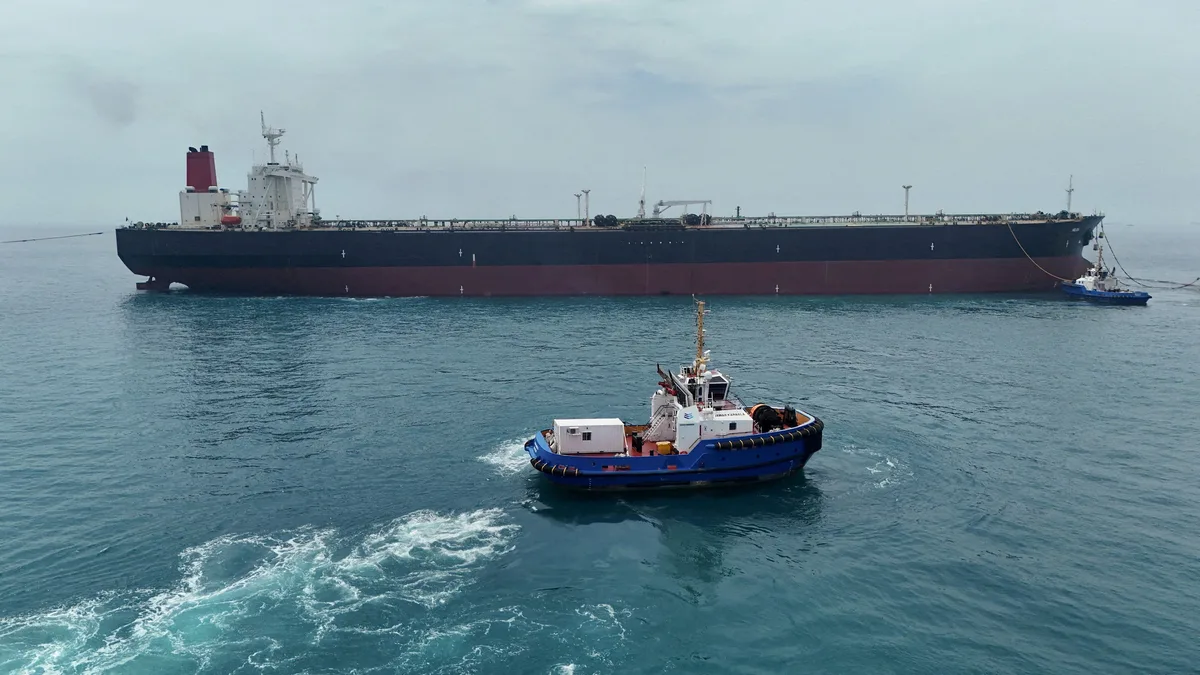
President Donald Trump is pushing a plan to impose a 20% fee on cargo transiting the Strait of Hormuz, one of the world's most critical energy chokepoints, raising fresh alarms about disruptions to the global oil supply. The proposal has abruptly thrust oil supply risk back into the center of energy market conversations after a period of relative calm.
The Strait of Hormuz is the narrow waterway between Iran and Oman through which a significant share of the world's seaborne oil flows daily. Any restriction—financial or physical—on that corridor carries outsized consequences for global crude prices, refinery inputs, and downstream fuel costs for consumers and businesses alike.
Read more Brent Crude Breaks $100 as Goldman Eyes $120 Next →
Analysts warn that a toll of this magnitude could effectively function as a tax on oil-importing nations, many of which depend heavily on Gulf crude. The threat alone is enough to cloud the outlook for what had been a projected global oil surplus, potentially shifting supply-demand dynamics in ways that would push prices higher.
The move reflects a broader pattern in the Trump administration's approach to using economic leverage over strategic waterways and trading relationships. Whether the proposal advances into formal policy or remains a negotiating signal, markets are already recalibrating risk premiums tied to Middle East supply routes.
Continue reading at US Top News and Analysis.