Trump's Wall Street Home-Buying Ban: What the Bill Actually Does
A bipartisan housing bill targets institutional investors, but analysts warn it won't quickly fix affordability woes.
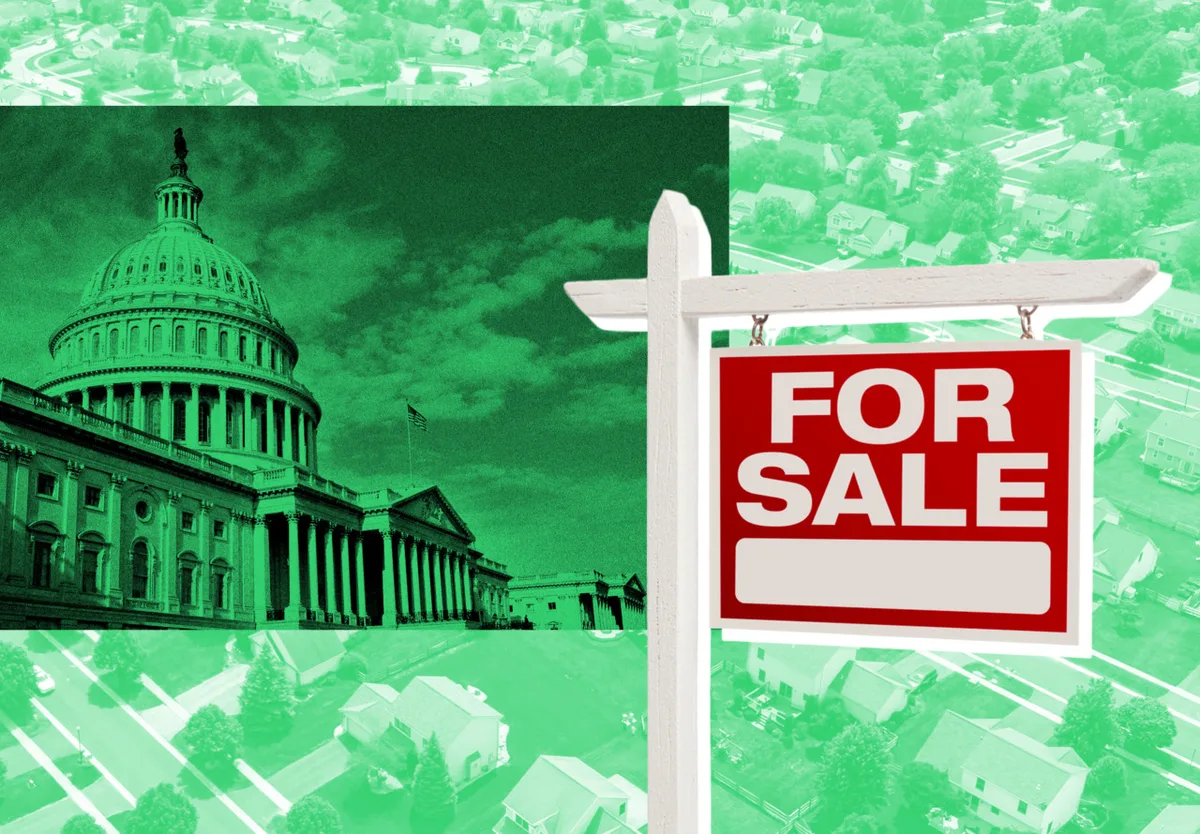
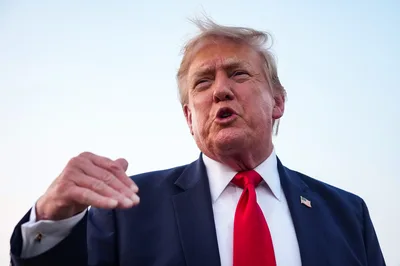
President Trump is signaling support for legislation that would restrict Wall Street investors from purchasing single-family homes, framing it as a bold move to open the housing market to everyday Americans. But a closer look at the bipartisan bill reveals a more complicated picture — one that experts say falls well short of the sweeping reform its backers are promising.
Analysts who reviewed the measure cautioned that even if the legislation passes, it "will take time to meaningfully affect housing affordability and will not resolve voter frustration in that area." That assessment cuts to the heart of a political gamble: the administration and congressional allies are betting that the optics of confronting institutional landlords will resonate with voters even if tangible relief is years away.
Read more Trump Targets 60 Trade Partners With New Sweeping Tariffs →
The bill has attracted support from both sides of the aisle, reflecting broad public anger over the role that large investment firms have played in gobbling up residential properties — driving up prices and squeezing out first-time buyers in markets across the country. Institutional investors have acquired substantial shares of single-family inventory in high-demand metros, a trend that accelerated during the post-pandemic housing boom.
Yet housing economists generally agree that the core driver of unaffordability is a persistent shortage of supply, not investor demand alone. Restricting Wall Street purchases may slow one channel of competition, but without aggressive zoning reform, construction incentives, and expanded inventory, analysts argue the structural deficit in American housing remains largely untouched by this kind of legislation.
For voters already stretched thin by elevated mortgage rates and home prices, the political messaging may matter as much as the policy mechanics — at least in the short term. Whether lawmakers can translate bipartisan goodwill into a bill that produces real relief before the next election cycle remains the central unanswered question. Continue reading at MarketWatch.com