U.S.-Iran Tensions Rise: Key Market and Economy Risks
Escalating U.S.-Iran hostilities have investors and economists weighing potential ripple effects across financial markets and the broader economy.

Renewed hostilities between the United States and Iran are forcing Wall Street and economic analysts to reassess risk exposure across multiple sectors, as the latest exchange of aggression raises the specter of wider regional conflict with tangible financial consequences.
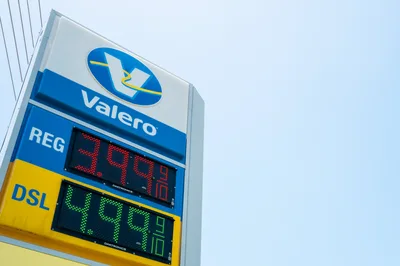
Geopolitical flare-ups involving major oil-producing nations historically send shockwaves through energy markets first. Iran sits along the Strait of Hormuz, a critical chokepoint through which a substantial share of the world's crude oil passes daily, making any escalation a potential catalyst for oil price spikes that ripple into inflation, transportation costs, and consumer spending.
Read more Brent Crude Breaks $100 as Goldman Eyes $120 Next →
Beyond energy, defense stocks often attract renewed investor interest during periods of elevated geopolitical tension, as government spending expectations shift. Conversely, sectors sensitive to consumer confidence — retail, travel, and discretionary spending — can face headwinds when uncertainty dominates headlines and households pull back.
Economists warn that sustained conflict could complicate the Federal Reserve's already delicate balancing act. A surge in energy prices would add inflationary pressure at a time when policymakers are carefully calibrating interest rate decisions, potentially forcing a harder choice between controlling prices and supporting growth.
The full scope of the market and economic impact will depend heavily on whether the current exchange of hostilities remains contained or broadens into a prolonged confrontation. Investors and economists are continuing to monitor developments closely for signals of further escalation. Continue reading at CNBC.