UN Shipping Agency Pushes Back on Strait Transit Fees
The IMO opposes tolls on international straits after Trump floated charges for Hormuz passage, raising global trade alarm.
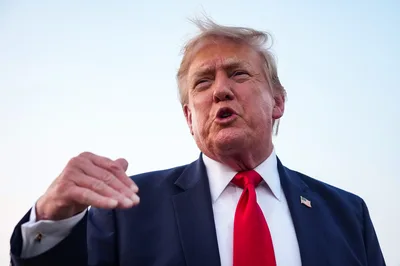
The United Nations' International Maritime Organization has come out firmly against imposing fees on vessels transiting any international strait, a direct response to reports that the Trump administration is exploring charges for ships passing through the Strait of Hormuz — one of the world's most critical oil-shipping chokepoints.
The IMO's opposition signals a significant diplomatic friction point between Washington and the global maritime governance body. International straits have long been treated under the UN Convention on the Law of the Sea as passages that must remain free and unobstructed for innocent transit, making any fee scheme legally and politically contentious.
Read more Trump Targets 60 Trade Partners With New Sweeping Tariffs →
The Strait of Hormuz carries roughly a fifth of the world's oil supply, connecting the Persian Gulf to global markets. Any tolling mechanism applied there could ripple through energy prices worldwide, adding costs for tanker operators that would ultimately be passed on to consumers and industries dependent on oil imports.
Shipping industry observers note that unilaterally imposing passage fees on an international strait would set a precedent with far-reaching consequences — other nations controlling strategic waterways could feel emboldened to follow suit, potentially fragmenting the principles of freedom of navigation that underpin modern global trade.
The IMO's stance underscores how quickly Trump's reported Hormuz fee proposal has galvanized international pushback, drawing a sharp line from the body responsible for regulating global shipping safety and environmental standards. Continue reading at Reuters