US-Iran Technical Talks Continue Despite Ceasefire Strain
Washington and Tehran will press ahead with diplomatic talks even as their forces exchanged attacks this week, testing last month's fragile ceasefire.
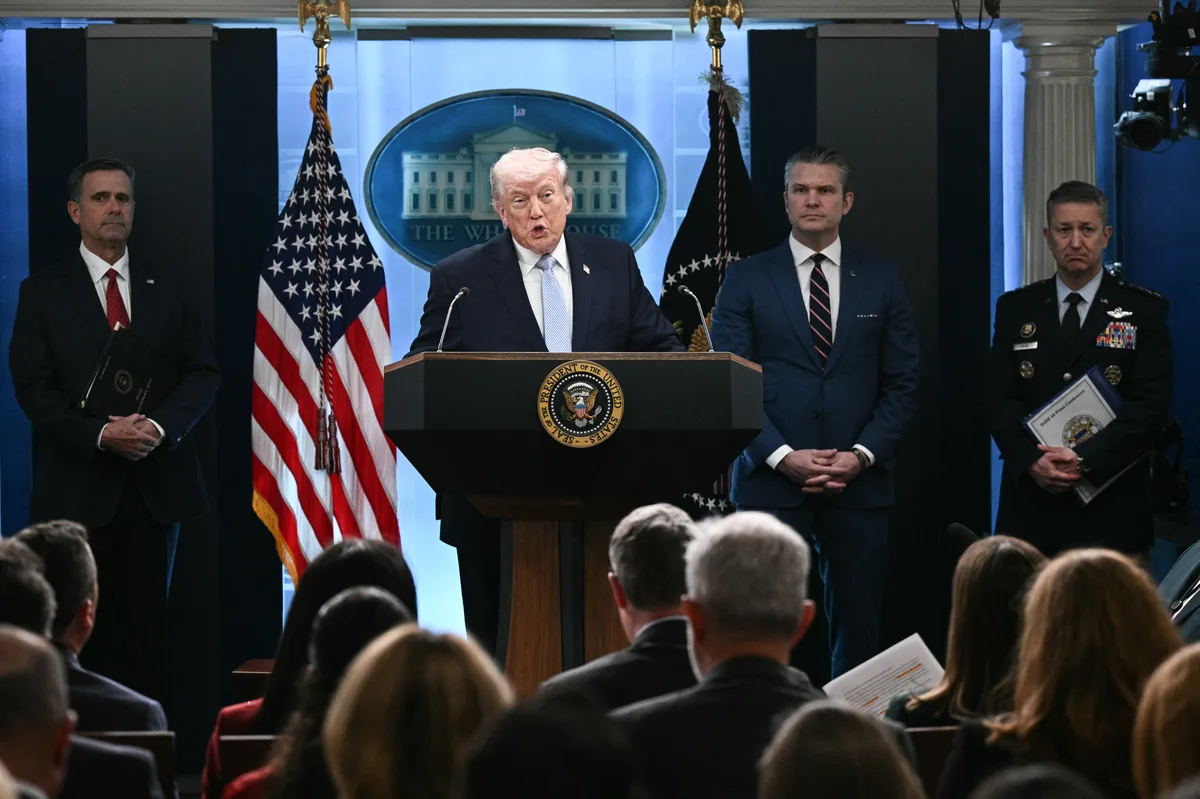
The United States confirmed it will continue technical-level diplomatic talks with Iran even after President Donald Trump declared the ceasefire between the two countries was "over," signaling a tense and uncertain moment in an already fragile bilateral relationship. The announcement came amid a volatile week that saw American and Iranian forces exchange attacks on consecutive days, pushing the month-old agreement to its breaking point.
The decision to maintain what officials are calling "technical talks" suggests that both sides retain at least a narrow channel of communication, even as hostilities escalated publicly. Diplomatic back-channels have historically served as a pressure-release valve during periods of military brinkmanship, and Washington appears unwilling to sever that line entirely despite the combative rhetoric coming from the White House.
Read more Trump Targets 60 Trade Partners With New Sweeping Tariffs →
Trump's declaration that the ceasefire was "over" raised immediate alarm among foreign policy observers, given that such agreements typically require formal notification and negotiated withdrawal rather than a presidential statement alone. The gap between the administration's public posture and its behind-the-scenes willingness to keep talking underscores the complicated balancing act U.S. officials face in managing tensions with Tehran without triggering an outright military escalation.
The ceasefire, signed just last month, had been seen as a rare point of diplomatic progress between two nations with decades of adversarial history. Its rapid deterioration within weeks of signing highlights how brittle such agreements can be when underlying grievances remain unresolved and when military incidents can quickly spiral into tit-for-tat exchanges.
How the technical talks will proceed — and whether they can stabilize the situation before further clashes occur — remains an open question. Continue reading at US Top News and Analysis.