US Launches Tariff Probe Over Germany's Drug Pricing Policies
The USTR opened a tariff investigation targeting Germany's medicine spending cuts, calling the proposal a step backward for trade.
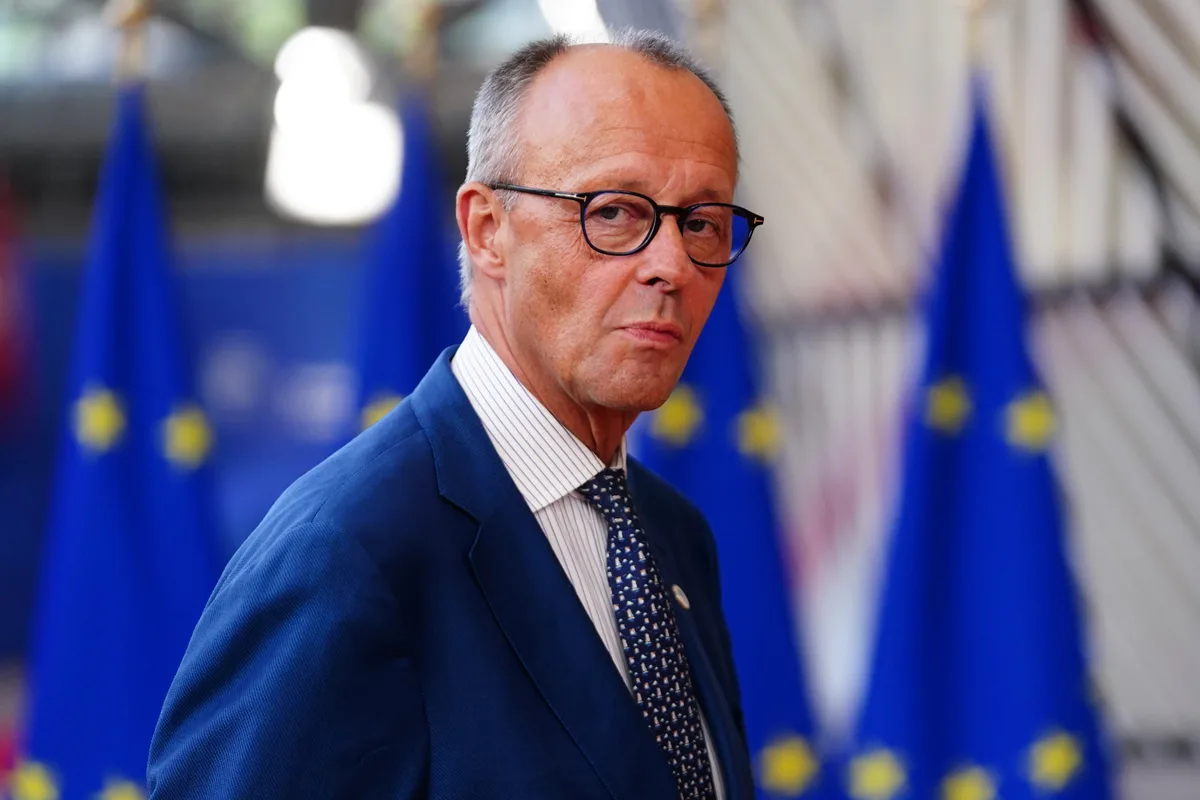
The United States Trade Representative's office has opened a formal tariff investigation into Germany's pharmaceutical pricing policies, escalating trade tensions between Washington and one of Europe's largest economies. USTR Jamieson Greer publicly criticized Berlin's proposed plan to reduce government spending on medicines, declaring it "a serious step backwards" in what the administration views as discriminatory treatment of American drug manufacturers.
The probe signals a significant hardening of the Trump administration's posture toward allied nations whose domestic health and pricing policies Washington believes disadvantage US pharmaceutical companies. Germany's effort to rein in drug expenditures — a common cost-control measure across European healthcare systems — has now drawn direct scrutiny from US trade officials empowered to recommend retaliatory tariffs.
Read more DOJ Refuses to Commit in Writing on Anti-Weaponization Fund Pause →
The investigation adds Germany to a growing list of trading partners facing US pressure over pharmaceutical market access. The Biden and Trump administrations alike have argued that foreign drug pricing frameworks effectively force American innovators to subsidize cheaper medicine abroad while US consumers and insurers pay higher prices at home — a structural imbalance the current administration is now aggressively challenging through trade tools.
Analysts note that a tariff action against Germany, a core NATO ally and major US trading partner, would carry substantial diplomatic and economic consequences far beyond the pharmaceutical sector, potentially straining transatlantic relations already tested by broader tariff disputes. Whether the probe leads to formal tariff recommendations will depend on the outcome of the USTR's review process, which typically involves public comment periods and bilateral consultations before any final action.
Continue reading at US Top News and Analysis