US Regulators Race to Set Crypto Rules as Senate Bill Stalls
State and federal agencies are moving fast to establish crypto guidelines after the Clarity Act failed to advance in the Senate.
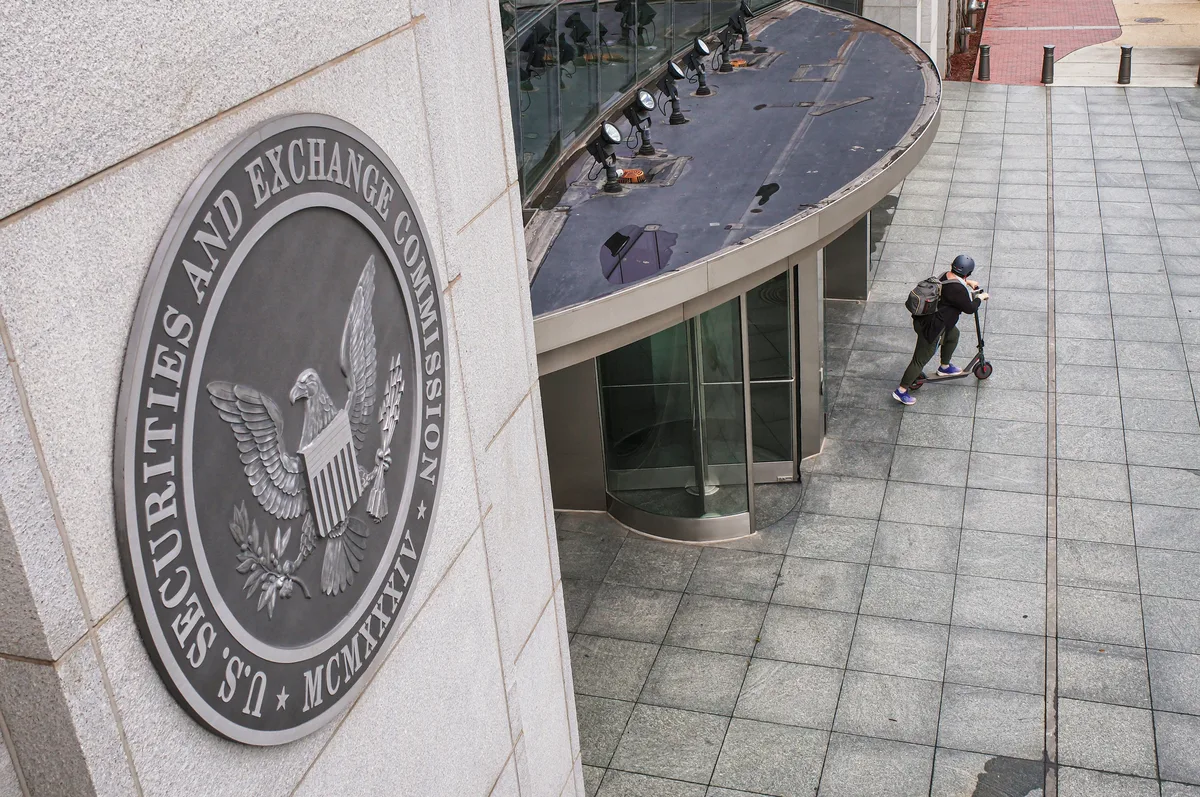
State and federal regulators are moving urgently to establish cryptocurrency oversight frameworks after the Clarity Act — a sweeping digital assets bill — failed to clear the U.S. Senate, leaving the industry without comprehensive federal guidance. The legislative collapse has triggered a scramble among agencies and state governments to fill the resulting regulatory void before market uncertainty deepens.
The Senate's inability to advance the Clarity Act represents a significant setback for the crypto industry, which had lobbied aggressively for clear, unified federal rules. Without a definitive congressional mandate, both federal bodies and individual states are now asserting authority, creating a patchwork of overlapping and potentially conflicting standards that businesses operating across state lines will need to navigate.
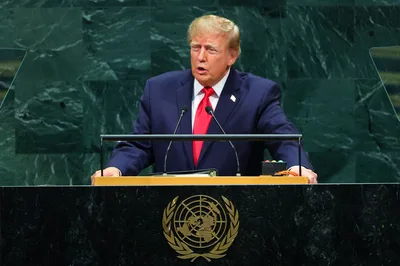
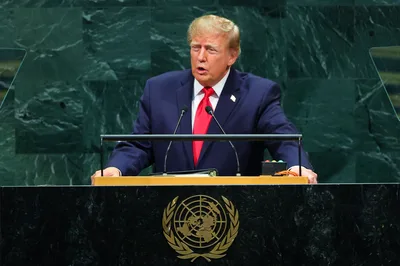
Read more Trump Targets Iran and Cuba, Touts AI at UN Address →
The regulatory rush carries real consequences for investors and crypto firms alike. A fragmented rulebook — written in the absence of congressional consensus — risks producing inconsistent enforcement, competitive imbalances between states, and legal ambiguity that could discourage institutional investment or push domestic crypto activity offshore. Analysts warn that rules written under urgency without legislative backing may also face court challenges down the road.
The broader political context matters here: Congress has now spent several years attempting to craft unified digital asset legislation without success, leaving agencies to govern a multitrillion-dollar sector through guidance, enforcement actions, and ad hoc rulemaking rather than clear statutory authority. Whether state-level initiatives can adequately substitute for a federal framework — or whether they will simply deepen the complexity crypto businesses face — remains an open and pressing question.
Continue reading at US Top News and Analysis.