Vanguard S&P 500 Index Funds Transformed Investing, But Smarter Options May Exist
Index funds revolutionized how Americans invest, but growing adoption raises questions about whether passive strategies still deliver their original edge.
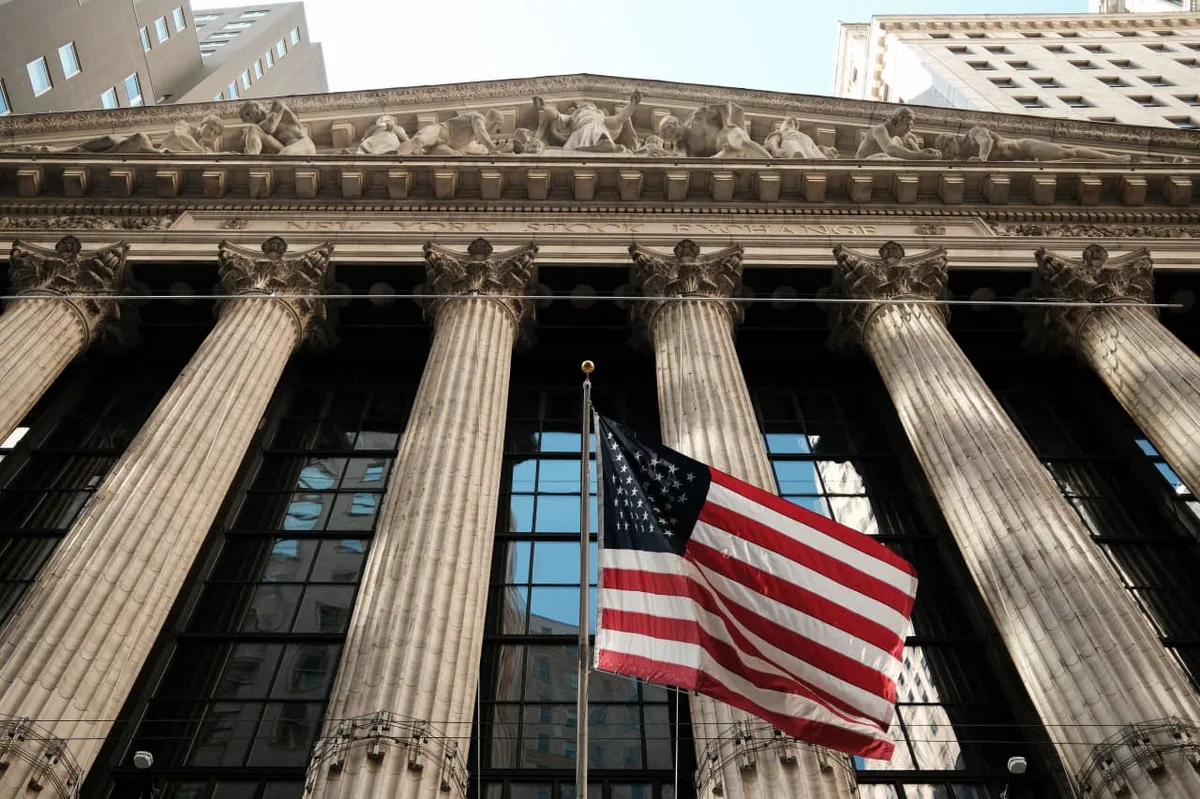
Vanguard's S&P 500 index fund reshaped retail investing by offering low-cost, passive market exposure that consistently outperformed the majority of actively managed funds over time. The product democratized Wall Street, pulling millions of everyday investors away from high-fee advisers and into broad market participation. Its success became a defining feature of modern personal finance.
But the very triumph of index investing now prompts a critical question: when virtually everyone buys the same basket of stocks, does the index itself become distorted? Market analysts and investment strategists are increasingly asking whether the flood of passive capital into S&P 500 funds inflates the valuations of the largest index constituents simply by virtue of their inclusion, rather than their underlying business merit.
Read more Best CD Rates Today: Lock In Up to 4.30% APY (Aug. 31) →
The concern is structural. Index funds must buy every stock in proportion to its market capitalization, meaning the biggest companies attract the most new money regardless of their growth prospects or valuation. Critics argue this mechanical buying can decouple stock prices from fundamentals, creating concentration risks that passive investors may not fully appreciate.
As a result, some market observers suggest alternatives — such as equal-weight index strategies, factor-based funds, or other rules-driven approaches — could offer investors a smarter entry point into the market without abandoning the low-cost discipline that made indexing attractive in the first place. These approaches aim to capture market returns while reducing the outsized influence that mega-cap stocks now exert on capitalization-weighted benchmarks.
The debate does not invalidate passive investing, but it does signal a maturing conversation about what "the market" actually represents when the majority of participants stop making active pricing decisions. Continue reading at MarketWatch.com