Vessel Traffic Through Strait of Hormuz Drops After US Blockade
Ship traffic in the critical oil corridor has fallen sharply since President Trump's blockade took effect last week.
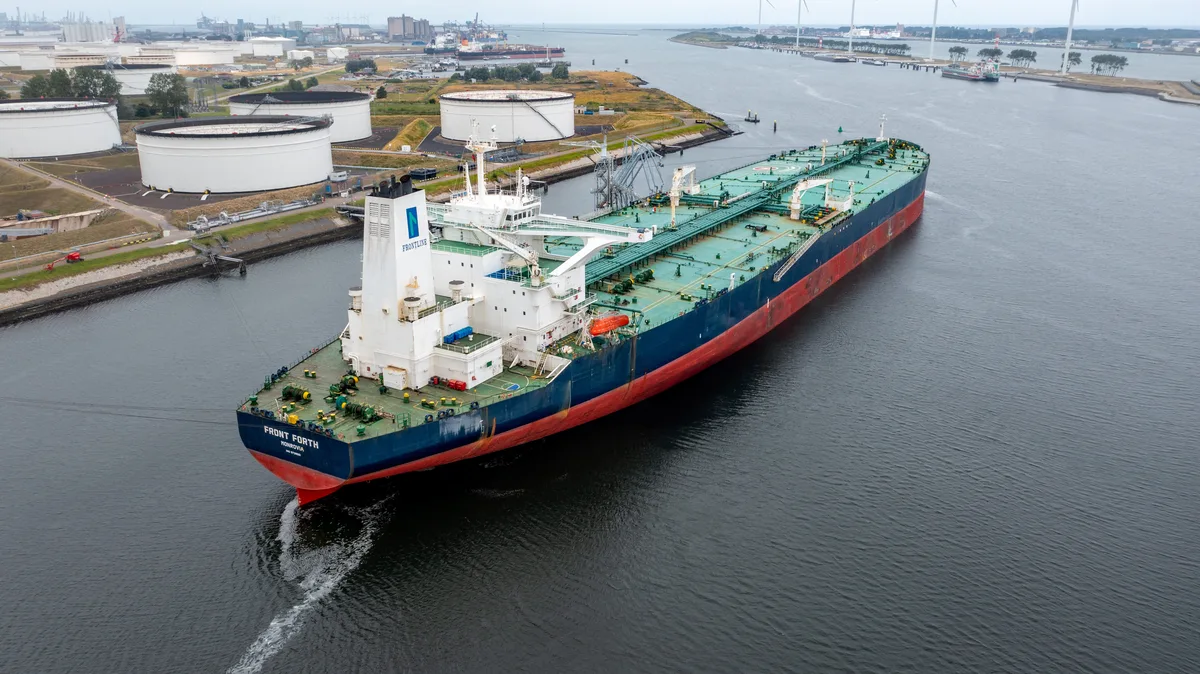
Vessel traffic through the Strait of Hormuz has dropped sharply following the implementation of a U.S. blockade ordered by President Donald Trump last week, straining one of the world's most critical energy shipping corridors at a moment of renewed military tensions in the region.
The Strait of Hormuz serves as the primary maritime chokepoint for a substantial share of global oil exports, making any sustained disruption to shipping there a matter of immediate concern for energy markets and governments worldwide. The slump in vessel movements signals that commercial operators are actively steering clear of the route as the security situation deteriorates.
Read more Brent Crude Breaks $100 as Goldman Eyes $120 Next →
The development places fresh pressure on global oil supply chains already navigating a volatile geopolitical environment. Shipping companies and cargo owners typically reroute around contested corridors when conflict risk rises, but alternative routes around the Arabian Peninsula add significant time and cost to voyages, compounding the economic strain.
Analysts watching the situation warn that a prolonged standoff in the strait could tighten crude supply to markets in Asia and Europe, potentially pushing energy prices higher if the blockade holds and fighting continues. The Trump administration has not yet indicated how long the naval posture will remain in place or under what conditions ships might be permitted to transit freely.
Continue reading at US Top News and Analysis.