What a Family Tragedy Taught One Traveler About Trip Insurance
A personal loss reshaped one traveler's approach to vacation spending. Here are eight hard-won lessons on protecting your trip financially.
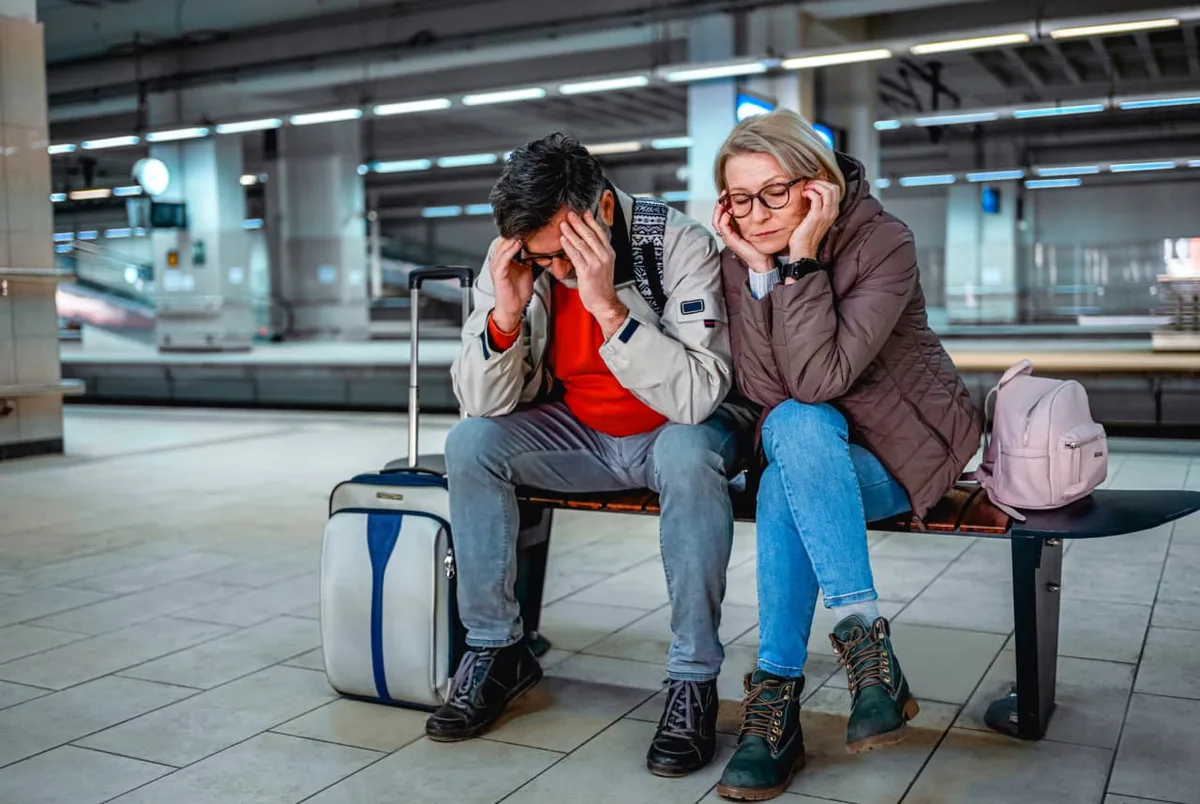
With summer travel season now in full swing, millions of Americans are booking flights, hotels, and cruises — often without fully considering what happens when plans fall apart. A MarketWatch contributor learned this lesson the hard way after a family tragedy upended a planned vacation, revealing critical gaps in how most travelers handle unexpected expenses.
The experience surfaced eight key insights about travel costs that most vacationers overlook until it is too late. Chief among them is the importance of purchasing travel insurance before departing — a step that can cover everything from emergency medical evacuations to non-refundable deposits lost when a trip must be cancelled suddenly due to a death or serious illness in the family.
Read more Conservation Easements: When the Tax Break Still Works in 2024 →
Beyond insurance, the lessons underscore how quickly out-of-pocket costs can spiral during a travel emergency. Rebooking flights last-minute, securing lodging extensions, and arranging emergency transportation are expenses that standard credit card protections frequently fail to cover in full, leaving grieving or stressed travelers to absorb significant financial hits at the worst possible moment.
Financial planners often note that travel insurance is one of the most consistently skipped line items in vacation budgets, even though policies can be relatively affordable when purchased at the time of booking. Timing matters: many policies become far less useful — or void entirely — if bought after a known event, such as a storm warning or a family member's pre-existing diagnosis, has already emerged.
As the busy summer season accelerates departure dates across the country, the core takeaway is straightforward: reviewing your coverage options before you leave is far cheaper than scrambling without a safety net while far from home. Continue reading at MarketWatch.com