Why Leveraged S&P 500 ETFs Can Lose Money in Rising Markets
Leveraged S&P 500 ETFs can post losses even when stocks climb, a counterintuitive risk every investor should understand before buying.
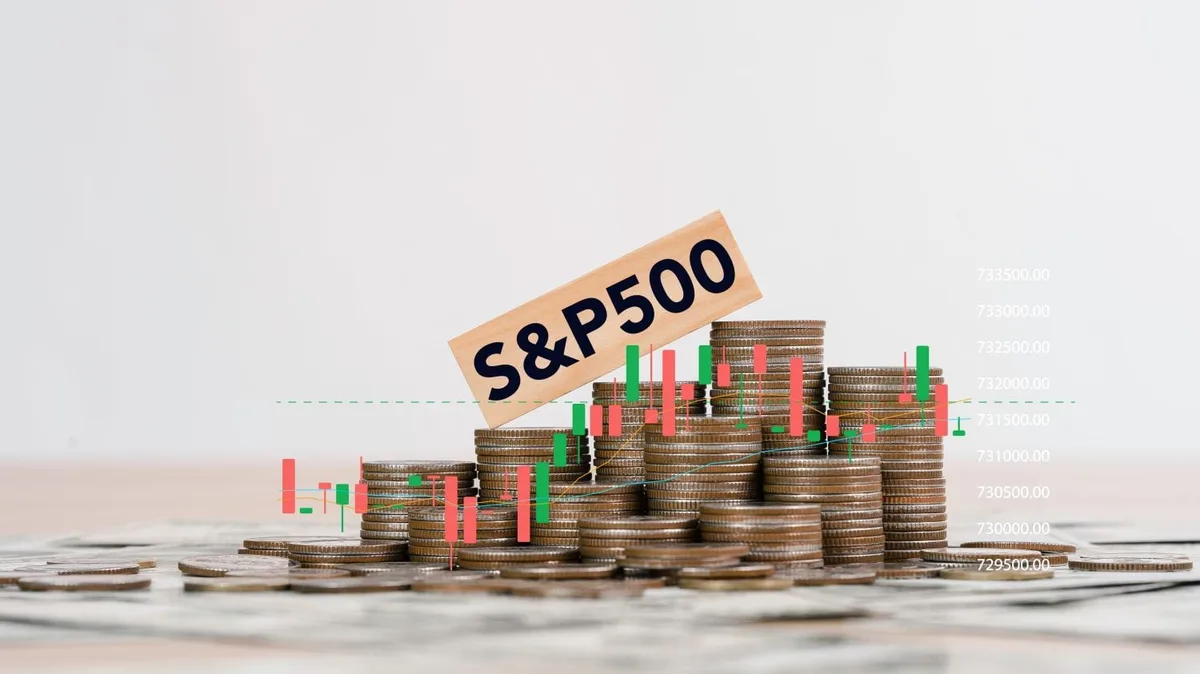
Leveraged S&P 500 exchange-traded funds promise amplified returns, but a structural quirk means investors can lose money even when the underlying index moves higher — a risk that catches many retail investors off guard. The phenomenon, rooted in the mathematics of daily compounding, is one of the most misunderstood dynamics in modern ETF investing.
These products are designed to deliver a multiple — typically two or three times — of the S&P 500's daily return, not its long-term return. That distinction matters enormously. When markets swing up and down repeatedly without a clear directional trend, the daily reset mechanism quietly erodes principal, a process known as volatility decay or beta slippage.
Read more Cramer Urges Caution on Data Center Stocks Despite AI Boom →
Consider a simplified example: if an index drops 10% one day and rises 10% the next, it has not returned to its starting point — it sits about 1% below it. A leveraged fund magnifies both moves, so the decay compounds faster and cuts deeper into the portfolio balance. The longer an investor holds through choppy conditions, the more pronounced this drag becomes.
This makes leveraged ETFs instruments best suited for short-term tactical trades rather than buy-and-hold strategies. Financial professionals broadly caution that holding these products over weeks or months in volatile markets can produce outcomes that diverge sharply — and painfully — from what investors intuitively expect based on index performance alone.
For everyday investors drawn to the allure of magnified gains, understanding the mechanics of daily rebalancing and volatility decay is not optional — it is essential. The product may be listed on mainstream exchanges alongside conventional index funds, but its risk profile is fundamentally different. Continue reading at Yahoo Finance.