Why Tech Giants Are Betting on Shenzhen Over Silicon Valley
Shenzhen has emerged as an irreplaceable tech hardware hub that U.S. companies are increasingly turning to despite geopolitical tensions.
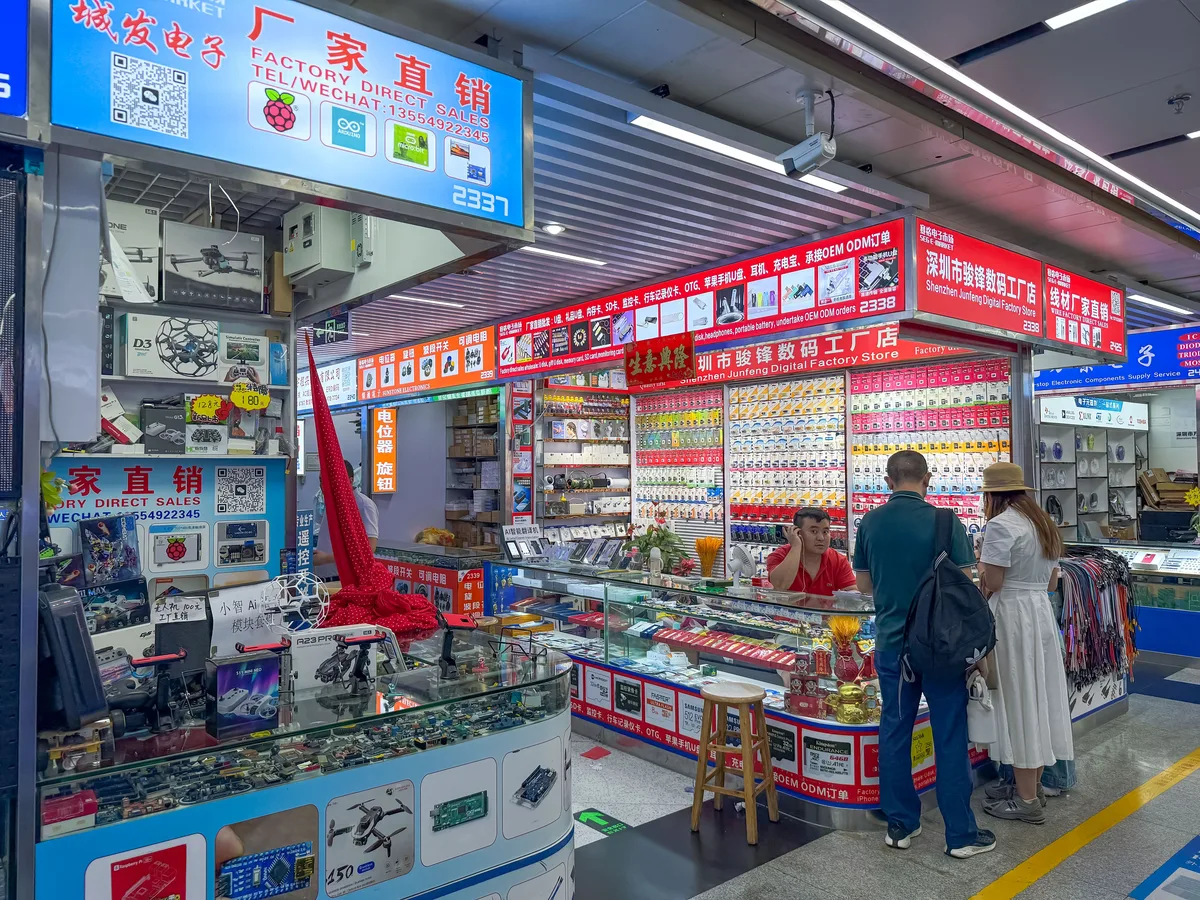
Shenzhen, the coastal Chinese megacity that transformed from a fishing village into a manufacturing powerhouse in just four decades, is now commanding the attention of American technology firms that once looked exclusively inward for innovation and production. The city has cemented its status as the world's preeminent destination for tech hardware development, supply chain access, and rapid prototyping — advantages that U.S. competitors have struggled to replicate domestically.
For American companies weighing where to build, source, and scale their hardware products, Shenzhen presents a compelling case that goes beyond cheap labor. The city offers a tightly integrated ecosystem of suppliers, engineers, and manufacturers that allows firms to move from concept to finished product at speeds that no region in the United States can currently match. That density of expertise and infrastructure has proven difficult for U.S. policymakers and industry leaders to displace, even as trade tensions between Washington and Beijing have intensified over recent years.
Read more Novo Nordisk Sues Eli Lilly Over Allegedly Deceptive GLP-1 Ads →
The strategic calculus for U.S. tech firms is increasingly uncomfortable. Betting on Shenzhen means engaging with a geopolitical rival at a moment when Washington is pushing hard for supply chain decoupling and domestic semiconductor investment. Yet walking away from Shenzhen's hardware ecosystem risks ceding ground to Chinese competitors who operate with home-field advantage and deep institutional relationships within that same ecosystem.
The tension underscores a broader reality facing American industry: national security priorities and corporate competitiveness do not always point in the same direction. As the Biden and Trump administrations alike have pushed for reshoring and allied-nation sourcing, the gravitational pull of Shenzhen has proven stubborn — a reminder that decades of accumulated industrial capacity are not easily or quickly replaced by policy mandates alone.
Continue reading at US Top News and Analysis