Why the S&P 500 Barely Moved Despite Big Market Catalysts
The S&P 500 finished Thursday nearly flat despite multiple factors that could have driven a major move in either direction.
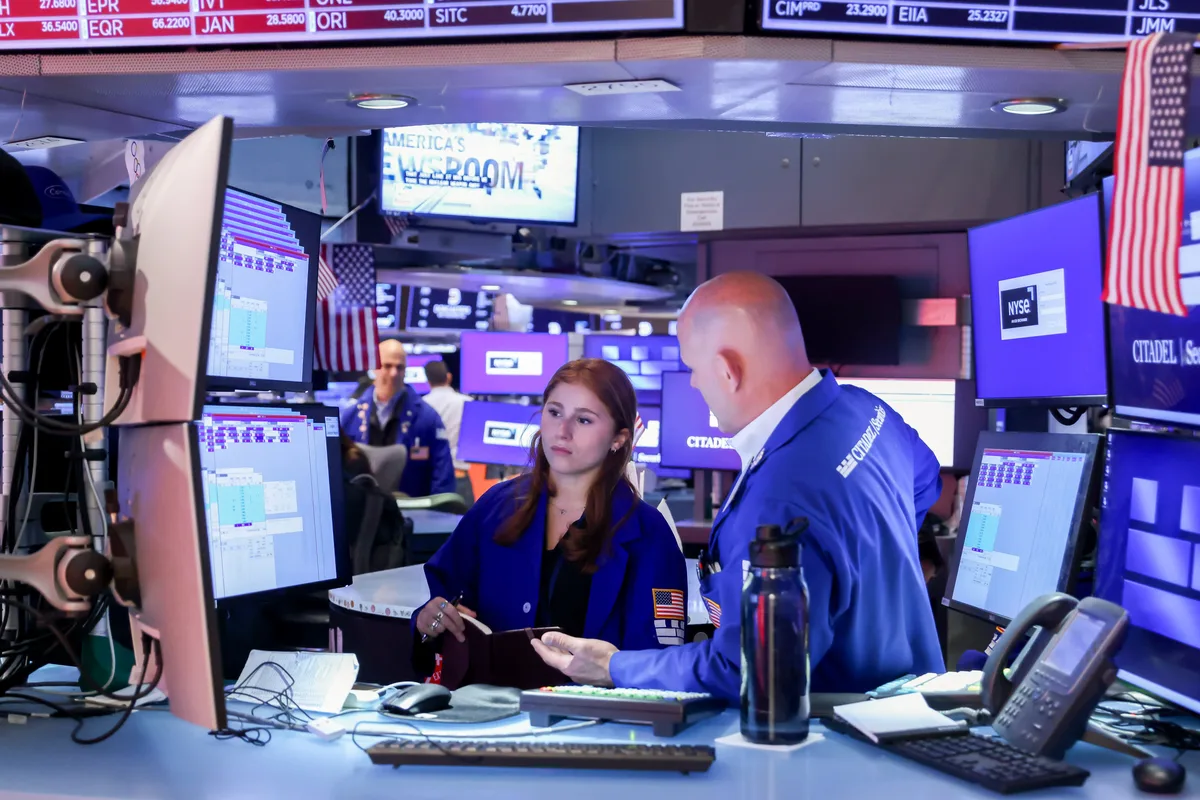
The S&P 500 confounded traders Thursday, closing almost precisely where it had ended the previous session even as a confluence of market-moving catalysts swirled around Wall Street. The index's stubborn stillness raised immediate questions about what forces were offsetting what should have been meaningful price action.
When high-profile economic data, earnings reports, or geopolitical developments fail to shift a major benchmark, analysts typically look beneath the surface for structural or technical explanations. Options positioning, hedging activity, and end-of-week rebalancing flows are among the mechanical forces capable of pinning an index near a specific price level, dampening volatility that fundamental news would otherwise produce.
Read more Brent Crude Breaks $100 as Goldman Eyes $120 Next →
The phenomenon points to how modern markets are shaped not just by sentiment and fundamentals, but by the vast derivatives ecosystem that now surrounds equity indexes. Large options open interest clustered around a strike price can effectively act as a gravitational anchor, with market makers continuously hedging their exposure in ways that absorb directional pressure from either buyers or sellers.
For retail and institutional investors alike, weeks like this serve as a reminder that a quiet close does not necessarily mean a quiet market. Significant tug-of-war dynamics can play out intraday while the final print obscures the underlying turbulence, leaving participants to interpret calm as consensus when it may simply be mechanical equilibrium.
Continue reading at US Top News and Analysis.