Why Wall Street's 'Buy the Dip' Consensus Should Alarm Investors
When everyone on Wall Street agrees on a strategy, contrarians warn the trade may already be crowded and poised to disappoint.
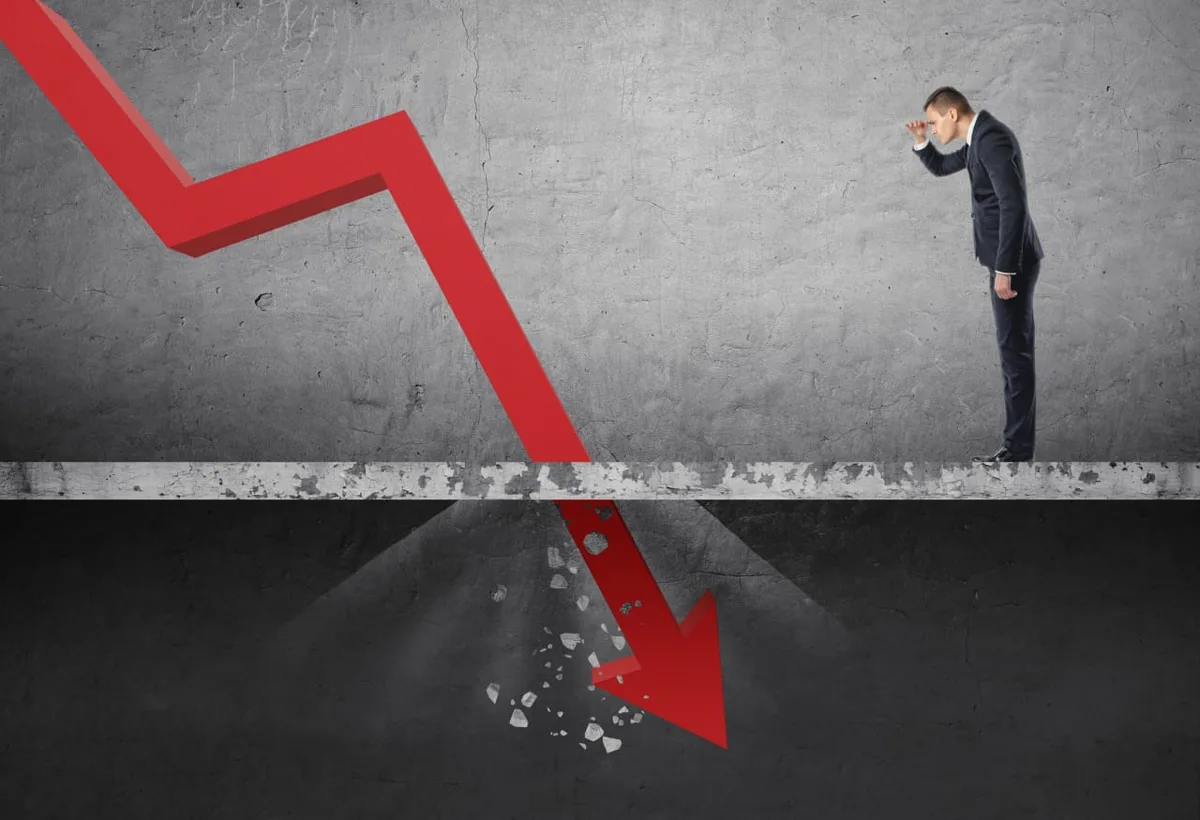
A near-universal conviction has taken hold on Wall Street: buy every market dip. What once was a tactical move for opportunistic traders has become the default playbook for institutional and retail investors alike — and that widespread agreement is itself a warning sign, according to MarketWatch.
The danger embedded in crowded trades is well-documented in market history. When virtually every participant leans the same direction, the cushion of available buyers thins out. If sentiment shifts or a shock arrives, the rush to the exit can amplify losses rather than create the bargain-hunting opportunity investors anticipated.
Read more Brent Crude Breaks $100 as Goldman Eyes $120 Next →
Perhaps most striking is the long-term performance data: buying the dip, despite its intuitive appeal and the feeling of capturing discounted shares, has actually lagged a straightforward buy-and-hold approach to the broader stock market over extended periods. The strategy that feels like free money turns out to be anything but when measured against a simple index benchmark.
The psychological pull of dip-buying is understandable. Markets have repeatedly recovered from sharp selloffs in recent years, conditioning investors to treat declines as automatic entry points rather than signals worth interrogating. That conditioning, however, is precisely what makes the consensus dangerous — past recoveries are not a contractual guarantee of future ones, and a strategy built on recency bias carries hidden risk that only becomes visible after it fails.
Contrarian thinking has never been easy to execute, especially when a popular strategy keeps appearing to work. But when Wall Street's collective confidence in any single approach reaches near-unanimity, history suggests it is time to ask harder questions about what happens when the crowd is wrong. Continue reading at MarketWatch.com