Why Weak Demand, Not Supply, Is Keeping Oil Prices Down
Oil prices are stalling not because of oversupply but because global appetite for crude is shrinking — a more alarming signal for energy markets.
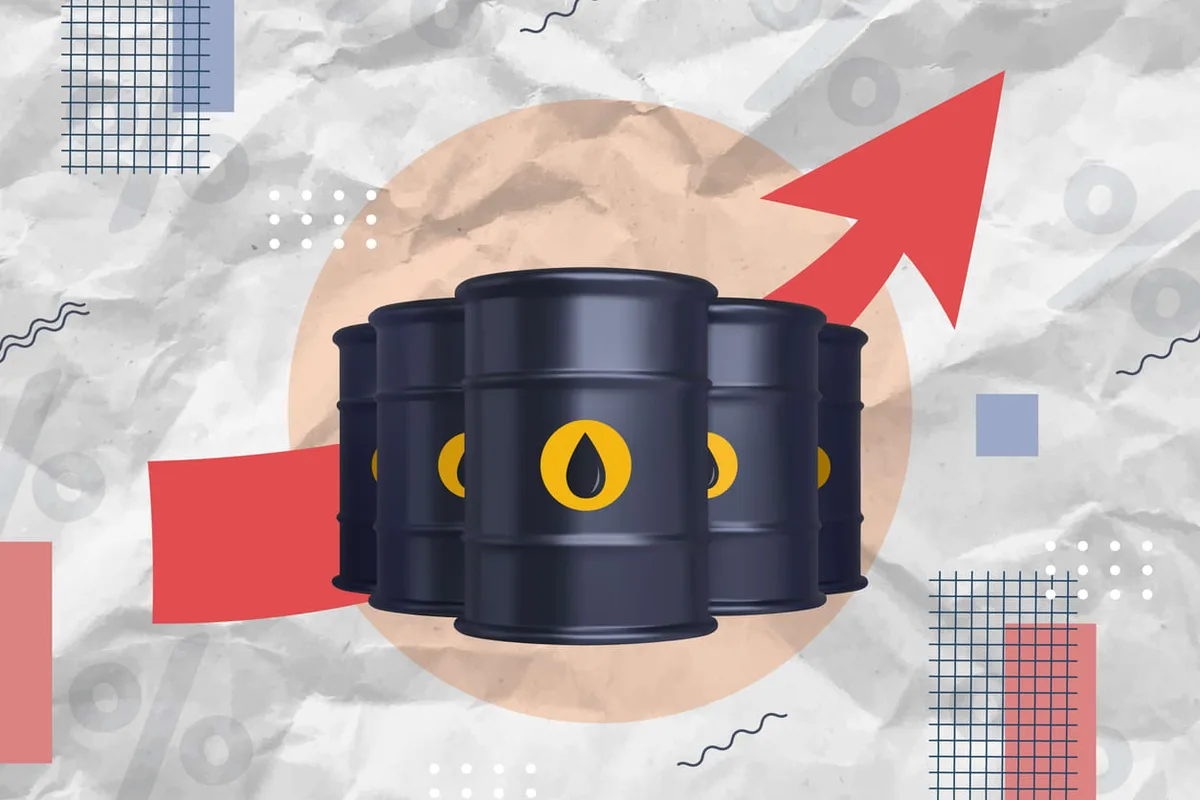
Oil prices are failing to climb for a reason that cuts deeper than pipeline politics or OPEC output decisions: the world simply wants less oil than it once did. That structural shift in global demand, rather than any glut of supply, is the central force holding crude prices in check, according to a MarketWatch analysis.
The distinction matters enormously for investors and policymakers. A supply-driven price drop can reverse quickly — a cartel trims output, a pipeline goes offline, a geopolitical flare-up tightens inventories. Demand erosion, by contrast, tends to be slower-moving and harder to reverse, particularly when it reflects long-term behavioral or technological change rather than a temporary economic slowdown.
Read more Goldman Sachs Makes Case for Europe's Overlooked Stock Markets →
The softening in global oil appetite arrives as electric vehicles gain market share in major economies, energy-efficiency standards tighten, and several large industrial nations report sluggish manufacturing activity. Each of those forces independently chips away at the barrels-per-day consumption figures that once reliably climbed year over year.
For energy producers — from U.S. shale operators to Gulf state sovereigns — a world of chronically subdued demand represents a fundamentally different operating environment than the supply-management challenges they have navigated for decades. Revenue forecasts, capital expenditure plans, and even national budgets built on higher price assumptions face growing pressure if the demand ceiling proves durable rather than cyclical.
The market may be pricing in a future where peak oil demand is not a distant theoretical milestone but an approaching reality. Continue reading at MarketWatch.com