Yen Slips Past 161 Per Dollar, Nearing a 40-Year Low
The Japanese yen tumbled to 161.80 against the dollar Thursday, its weakest since July 2024, reigniting fears of government intervention.
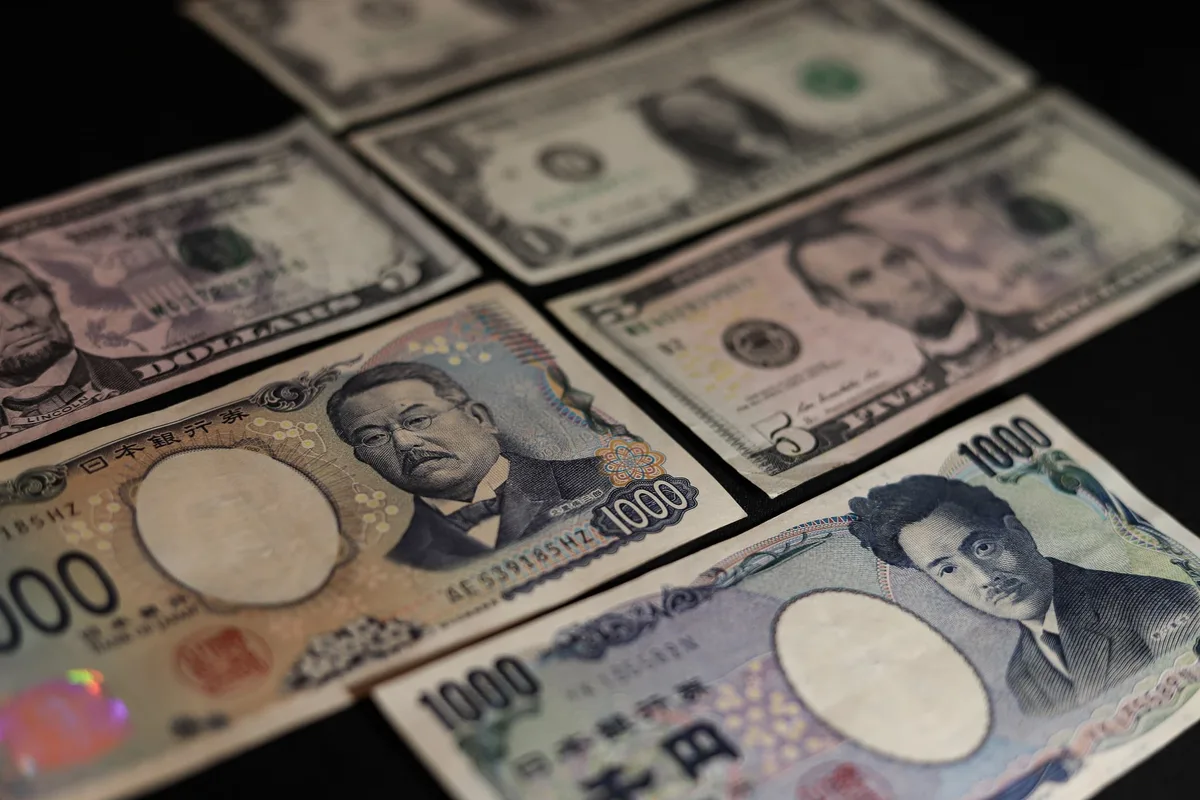
The Japanese yen plunged to 161.80 per dollar on Thursday, marking its weakest exchange rate since July 2024 and pushing the currency dangerously close to multi-decade lows not seen in roughly 40 years. The sharp single-session slide rattled currency traders and immediately revived speculation that Japanese authorities could step in to prop up the battered yen.
The move past the closely watched 161 threshold carries significant psychological weight in currency markets, as it signals that prior rounds of official intervention have failed to establish a durable floor. Traders and analysts have historically treated the 160-162 band as a zone where Tokyo's tolerance for weakness diminishes and the risk of unilateral action rises sharply.
Read more MSCI Raises Fresh Transparency Concerns About Indonesia's Stock Market →
Japan's government and the Bank of Japan have repeatedly faced pressure to defend the yen as a prolonged interest-rate divergence between Tokyo and Washington continues to weigh on the currency. While the Federal Reserve has kept borrowing costs elevated, the Bank of Japan has moved only cautiously away from its ultra-loose monetary policy, leaving the yield gap — and the incentive to sell yen — largely intact.
For Japanese consumers and import-dependent businesses, a weaker yen translates directly into higher prices for energy, food, and raw materials, compounding inflationary pressures that policymakers have struggled to contain. The latest slide is likely to intensify domestic political scrutiny of currency management ahead of any upcoming policy decisions.
Continue reading at US Top News and Analysis.