AI Data Centers Reshape Rural Land Markets, Spark Backlash
The AI-driven data center boom is pushing rural land prices higher, dividing farmers and property owners between profit and protest.
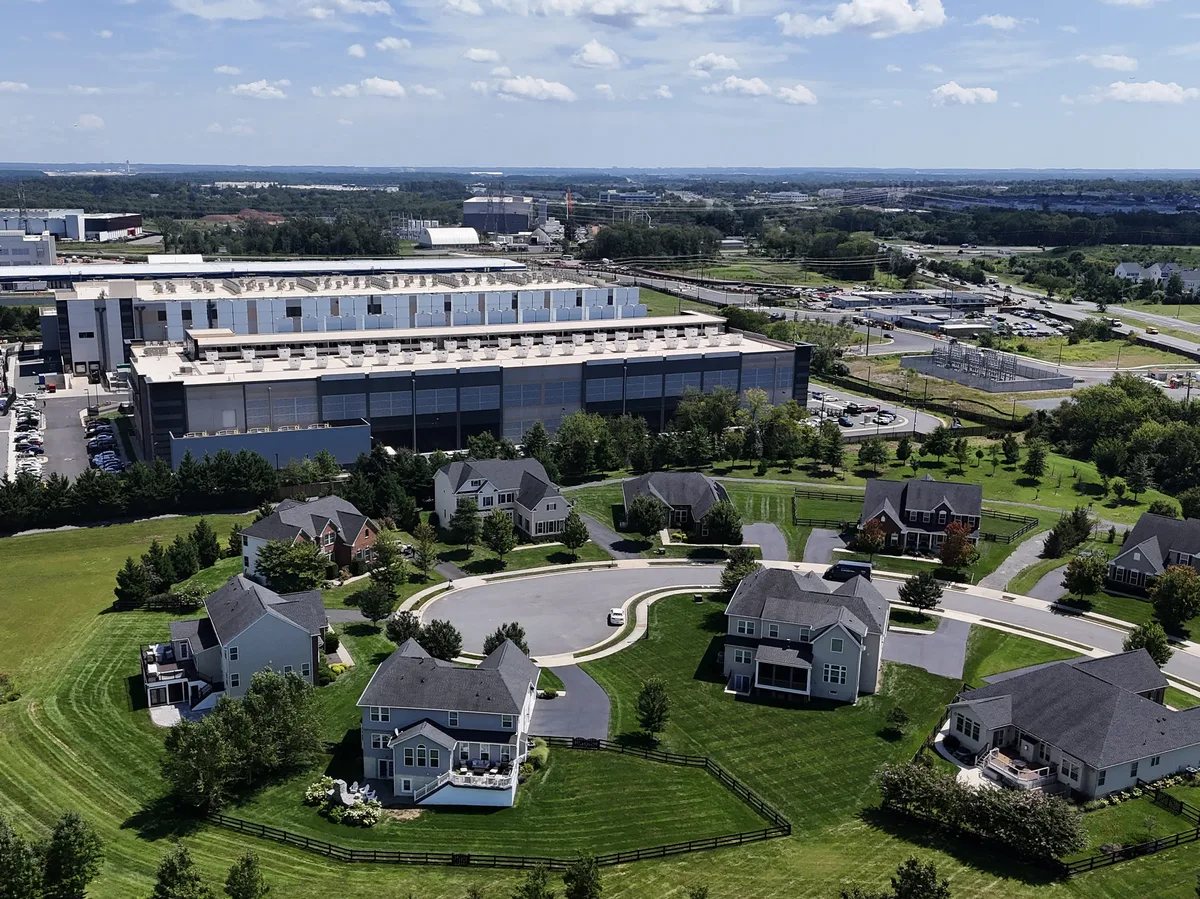
A surge in artificial intelligence infrastructure is quietly reshaping land values across rural America, as tech companies race to secure large tracts of property for data center campuses that demand vast amounts of power and space. The buildout is forcing communities — many of them agricultural — to weigh immediate financial windfalls against long-term changes to local character and land use.
For some farmers and rural landowners, the arrival of data center developers represents a rare opportunity to sell or lease property at prices that dwarf what traditional agricultural use could ever generate. That financial incentive has prompted a segment of rural property owners to welcome negotiations with tech firms and their real estate representatives, viewing the deals as generational wealth transfers that would otherwise be impossible.
Read more AI Labs Flood Market With New Models, Sparking 'Model Fatigue' →
Yet the same development wave is fueling organized resistance in other communities. Critics of the buildout argue that converting farmland to industrial-scale server facilities alters the regional landscape irreversibly, strains local power grids, consumes enormous quantities of water for cooling systems, and offers relatively few permanent jobs compared with the disruption caused during construction phases.
The tension reflects a broader national reckoning over where AI infrastructure gets built and who absorbs its costs. Rural counties that once competed for traditional manufacturing plants are now negotiating with a new class of industrial tenant — one whose appetite for land, electricity, and water is outsized relative to its local employment footprint. Local officials find themselves caught between tax revenue projections and constituent concerns about overdevelopment.
As the AI investment cycle accelerates with no clear ceiling in sight, analysts expect the pressure on rural land markets to intensify, making the conflict between development advocates and preservation-minded residents a defining policy debate for small-town America in the years ahead. Continue reading at US Top News and Analysis.