AI Labs Flood Market With New Models, Sparking 'Model Fatigue'
Anthropic, OpenAI, Meta, and Google all dropped model updates in a single week, raising concern that the breakneck release pace is overwhelming users.
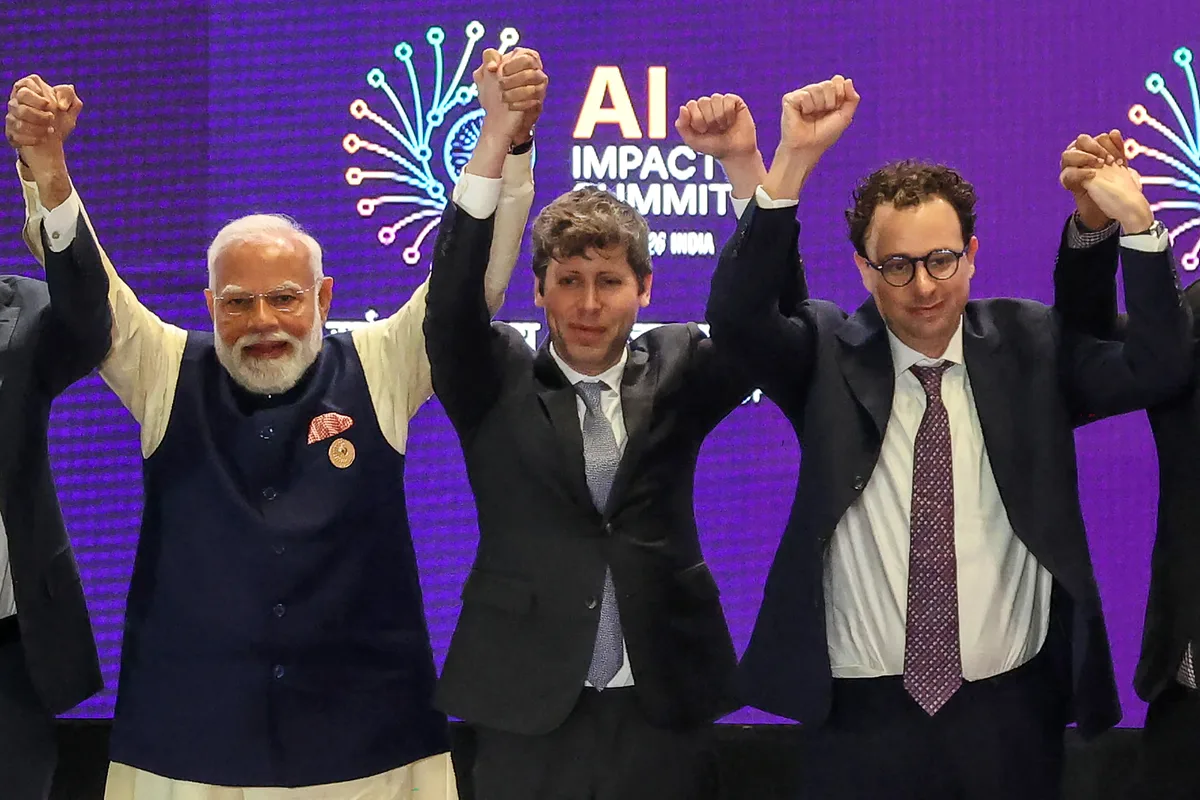
Four of the most powerful players in artificial intelligence — Anthropic, OpenAI, Meta, and Google — each released model updates within the same week, intensifying a release arms race that critics say is outpacing the public's ability to absorb new tools. The compressed timeline has given rise to a new phrase among industry observers: 'model fatigue.'
The term captures a growing sense among developers, businesses, and everyday users that the sheer volume of AI upgrades is becoming difficult to track, evaluate, or meaningfully integrate before the next generation arrives. Rather than each release serving as a landmark moment, the cadence has begun to blur individual announcements into an undifferentiated stream of incremental improvements.
Read more Walmart and Home Depot Take Different Paths on Tariff Refunds →
Adding further weight to the week's developments, chipmaker Nvidia announced it is acquiring Hugging Face, the widely used open-source AI platform that hosts thousands of publicly available models and datasets. The deal, if completed, would give Nvidia a significant foothold in the open-source AI ecosystem — a space increasingly seen as a strategic battleground alongside proprietary model development.
The simultaneous activity across both closed and open-source AI fronts underscores how quickly competitive dynamics are shifting. Companies appear reluctant to cede even days of perceived leadership to rivals, pushing them toward near-simultaneous announcements that paradoxically dilute the impact of each. Analysts note that this pattern could eventually pressure smaller teams and independent developers who struggle to keep pace with the resource demands of constant model iteration.
Whether the industry settles into a more measured release rhythm — or whether the sprint continues — may depend on whether user adoption rates and enterprise integration can keep up with laboratory output. Continue reading at US Top News and Analysis.