China Inflation Split Widens as Consumer Prices Slow, PPI Surges
China's June data showed consumer price growth weakening while producer inflation climbed to a nearly four-year high, deepening its two-speed economic divide.
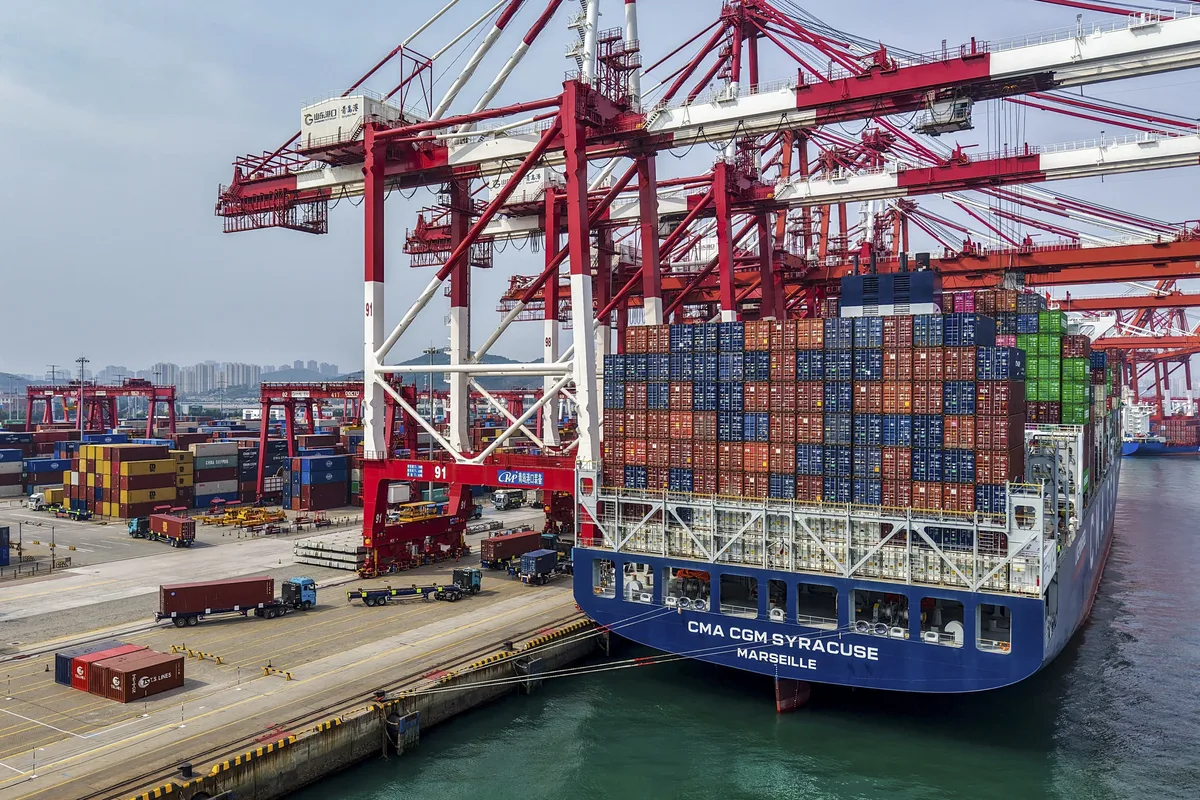
China posted a widening gap between consumer and producer inflation in June, with household price growth slowing even as factory-gate costs surged to their highest level in nearly four years, according to the latest government data. The divergence underscores a persistent fault line running through the world's second-largest economy.
Producer price index gains reaching multi-year highs signal strong momentum in China's industrial and export-oriented sectors, where global demand for Chinese-made goods has remained resilient. Yet that factory-floor strength has failed to translate into meaningful spending power for ordinary Chinese consumers, whose appetite for domestic goods and services remains subdued.
Read more Hassett Says Fed Has No Excuse to Hold Rates After Soft CPI →
Investors and analysts increasingly view this two-speed dynamic — robust exports paired with tepid domestic demand — as a defining structural feature of China's economy rather than a temporary imbalance. That framing carries significant implications for policymakers in Beijing, who face mounting pressure to stimulate household consumption without overheating an already-hot production side.
The inflation split also complicates the outlook for global markets. A China that exports deflation through cheap manufactured goods while struggling to generate internal demand can suppress price pressures abroad, influencing monetary policy decisions from Washington to Frankfurt. At the same time, rising producer costs could eventually feed into export prices, altering trade dynamics worldwide.
Continue reading at US Top News and Analysis.