China's Currency Strategy Doesn't Need to Dethrone the Dollar
Beijing isn't trying to replace the U.S. dollar — it's quietly dismantling reliance on a dollar-dominated global financial system.
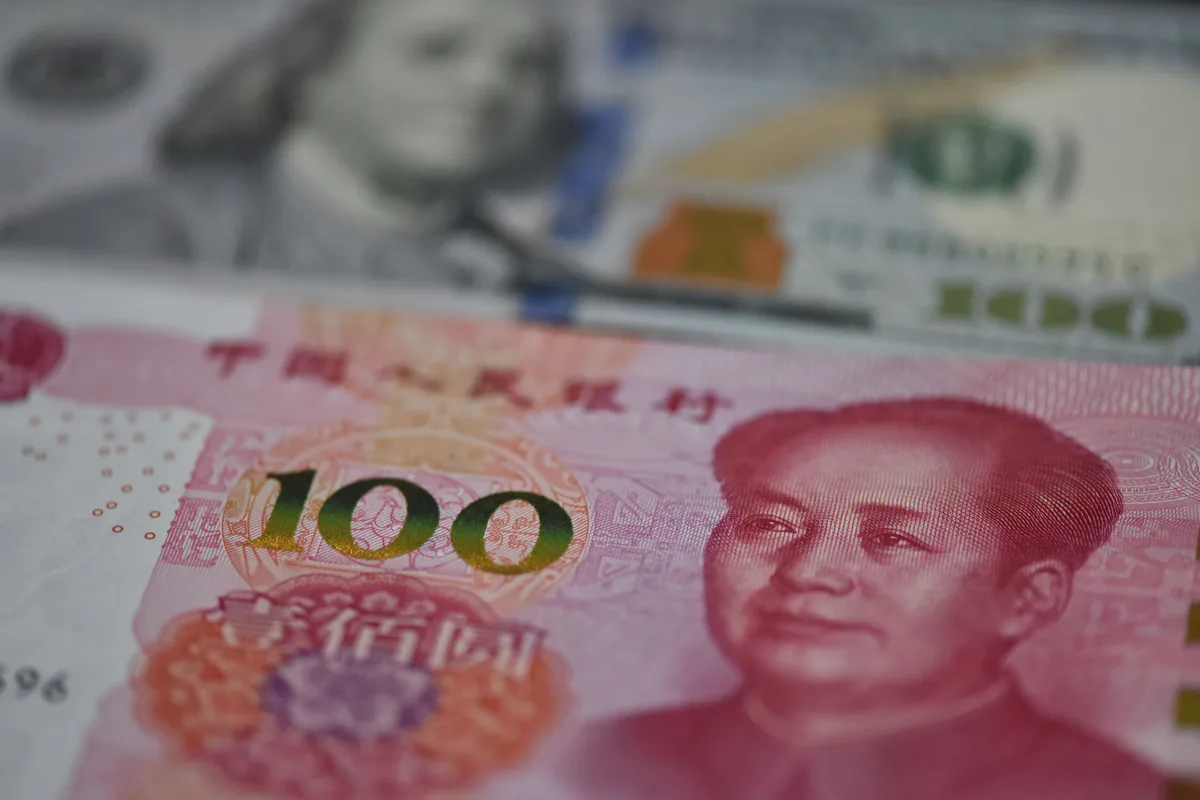
China is waging a global currency war without ever needing to crown the renminbi as the world's reserve currency, according to analysis from US Top News and Analysis. The conventional framing — that Beijing must topple the dollar to win — fundamentally misreads how China is actually executing its financial strategy on the world stage.
Rather than pursuing a direct one-for-one replacement of the dollar, China has been methodically reducing the world's structural dependence on a dollar-centric system. That distinction matters enormously: a country doesn't need to control the dominant currency to erode the leverage that dominance provides to the United States.
Read more Hassett Says Fed Has No Excuse to Hold Rates After Soft CPI →
Washington's economic and geopolitical power has long rested on the dollar's role as the primary medium for global trade, commodity pricing, and reserve holdings. By chipping away at each of those pillars — through bilateral trade agreements settled in renminbi, expanded currency swap lines, and support for alternative payment infrastructure — Beijing can weaken American financial leverage without ever winning a direct currency contest.
The strategic implication is that the U.S. risks misdiagnosing the threat. Policymakers and analysts who benchmark China's progress solely by renminbi adoption rates may be measuring the wrong scoreboard entirely. The more consequential metric is how much of global commerce and finance can occur outside dollar rails altogether — and on that front, China has been making measurable headway.
For investors and policymakers alike, the takeaway is sobering: the dollar's dominance faces a slow, structural erosion rather than a dramatic overnight upset, making the challenge harder to rally against politically or legislatively. Continue reading at US Top News and Analysis.