Fed's Kashkari Shifts to One Rate Hike Forecast for 2025
Minneapolis Fed President Neel Kashkari now expects one interest-rate hike this year, citing U.S.-Iran deal uncertainty and AI investment pressures.
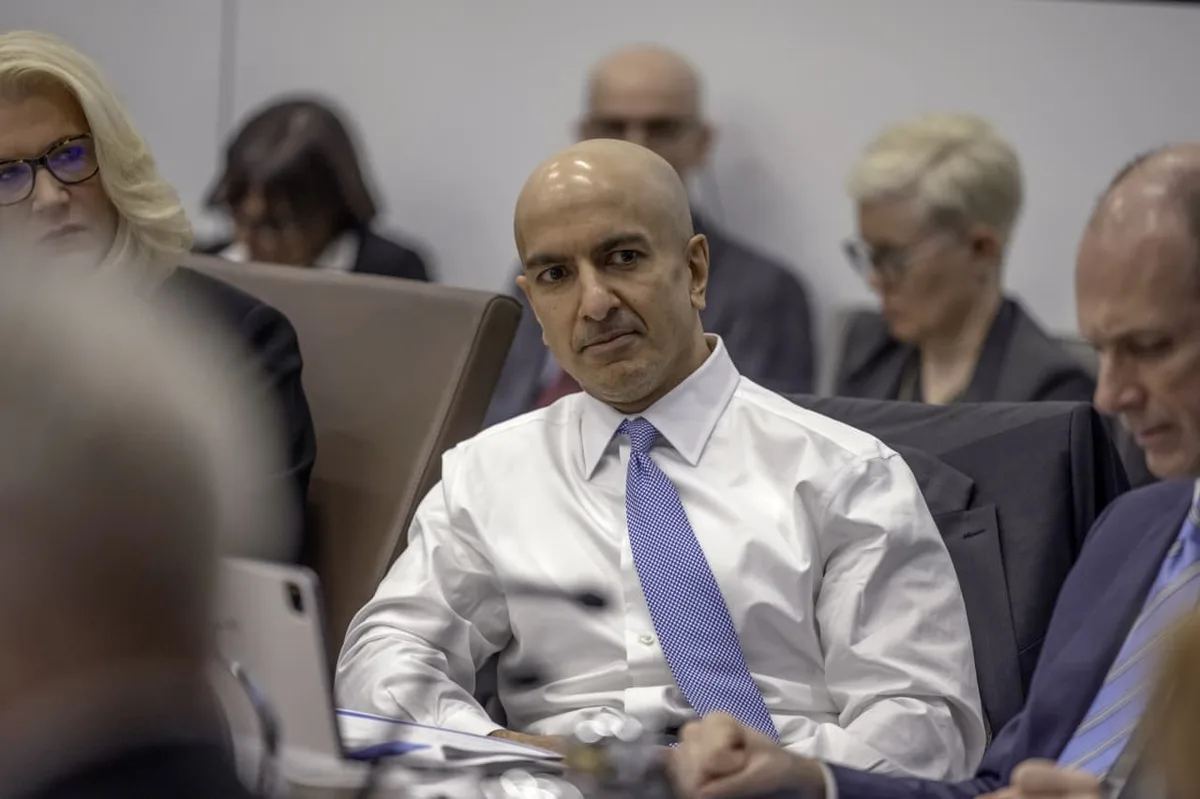
Minneapolis Federal Reserve President Neel Kashkari has revised his interest-rate outlook, now projecting one rate hike in 2025 — a notable pivot from earlier expectations of steady or lower rates. The shift underscores how quickly the economic landscape can change when geopolitical and technological forces collide simultaneously.
Two primary factors drove Kashkari's updated thinking. First, lingering doubts about the durability of the U.S.-Iran peace deal have reintroduced inflationary risk tied to global energy markets. If that diplomatic arrangement falters, oil supply disruptions could push prices higher and force the Fed's hand on tightening monetary policy.
Read more Hassett Says Fed Has No Excuse to Hold Rates After Soft CPI →
Second, the accelerating buildup in artificial intelligence infrastructure is adding another layer of upward price pressure. Massive capital expenditures flowing into AI data centers, chips, and related supply chains can stoke demand-side inflation in ways that are difficult for central bankers to model in real time — a complicating variable Kashkari acknowledged is now factoring into his calculus.
The Fed has held rates steady while debating the pace of any future adjustments, with policymakers divided on whether the next move should be a cut or a hike. Kashkari's public recalibration signals that at least one regional Fed president believes the risks are tilting toward tightening rather than easing, a stance that could influence broader deliberations at the Federal Open Market Committee.
For investors and consumers alike, a potential rate hike carries real consequences — from higher borrowing costs on mortgages and auto loans to recalibrated expectations for equity valuations. Markets will likely parse every subsequent Fed communication closely for signs that Kashkari's view is gaining traction among his colleagues. Continue reading at MarketWatch.com