Gen Z May Be First Generation Unable to Achieve American Dream
Economists warn Gen Z is at a tipping point, potentially becoming the first U.S. generation in living memory to miss out on the American Dream.
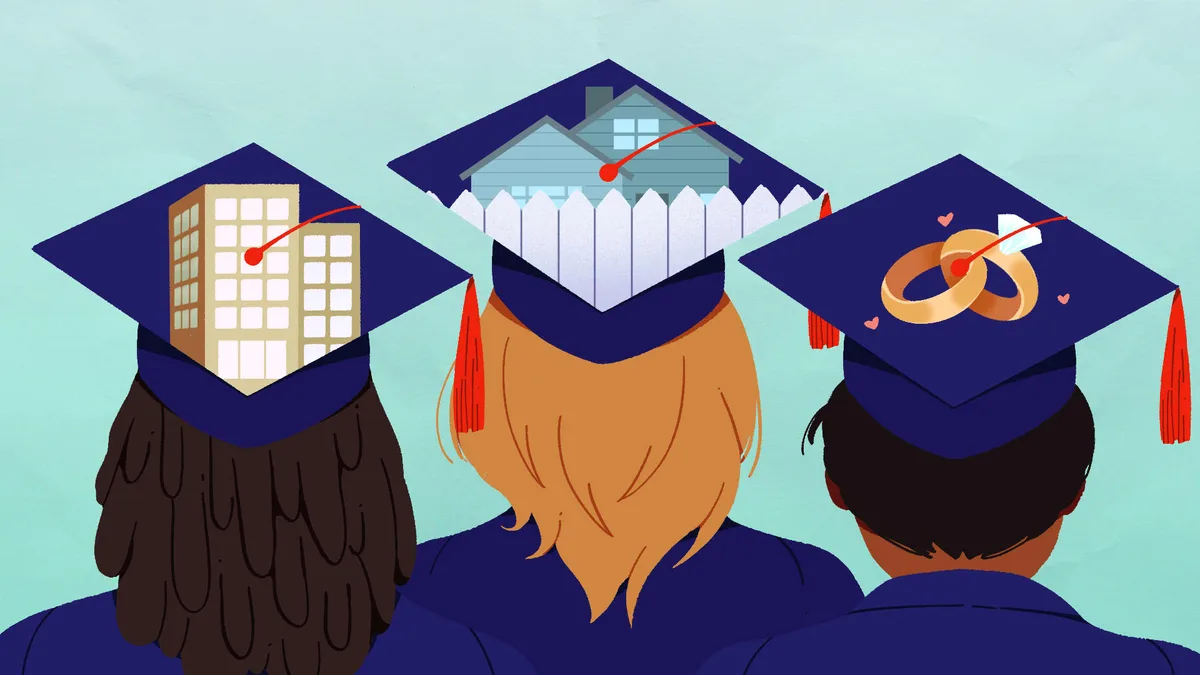
Gen Z stands at a historic crossroads, with some economists warning that its members could become the first generation in living memory where the majority are unable to achieve the American Dream — the long-held promise that hard work leads to upward mobility, homeownership, and financial security.
The concern reflects deepening structural barriers that have accumulated over decades, including soaring housing costs, mounting student debt burdens, wage stagnation relative to inflation, and a job market that increasingly rewards credentials over effort. For younger Americans already navigating economic uncertainty, these conditions are compounding in ways previous generations did not face at the same scale or simultaneously.
Read more Hassett Says Fed Has No Excuse to Hold Rates After Soft CPI →
Economists who study generational wealth and mobility argue that the social contract underpinning the American Dream — the implicit bargain that each generation will fare better than the last — is visibly fraying for those born roughly between 1997 and 2012. The erosion of that bargain carries consequences not just for individual households but for broader civic trust and national identity.
While some members of Gen Z are finding paths to prosperity through entrepreneurship, remote work flexibility, or skilled trades, the macro-level data suggests those success stories may be exceptions rather than the rule. Analysts caution that without meaningful policy intervention — on housing supply, education costs, or wage growth — the generational gap in wealth accumulation could widen further in coming decades.
The stakes extend well beyond economics: if the youngest working generation loses faith that the system can deliver on its foundational promise, the cultural and political ripple effects could reshape American life for years. Continue reading at CNBC.