Hormuz Strait Reopening Set to Flood Oil Markets, Depress Prices
A wave of pent-up oil supply could hit global markets as the Strait of Hormuz reopens, putting significant downward pressure on crude prices.

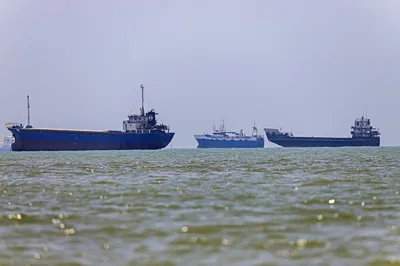
The Strait of Hormuz, the world's most critical oil chokepoint, is poised to release a surge of backed-up crude into global markets, a development that analysts warn could send oil prices sharply lower. The waterway, which carries roughly one-fifth of the world's oil supply, had been subject to heightened tension, restricting the normal flow of tanker traffic and creating a buildup of supply waiting to move.
As the strait reopens to normal shipping operations, that accumulated supply is expected to hit markets simultaneously, overwhelming demand in the near term. The sudden influx of additional barrels would compound existing pressure on crude benchmarks already grappling with concerns about slowing global economic growth and tepid consumption forecasts.
Read more Trump's Iran Deal Sends a Strong Buy Signal for Stocks →
The timing of the reopening matters enormously for oil-producing nations and energy markets alike. Countries dependent on oil revenues face the prospect of a price environment that undercuts their fiscal planning, while consumers and energy-intensive industries could see some relief at the pump and in production costs if lower crude prices translate downstream.
Beyond the immediate price shock, the episode underscores how geopolitical flashpoints around the Hormuz Strait carry outsized consequences for global energy stability. Even a temporary restriction through the narrow passage between Iran and Oman can reshape supply dynamics worldwide within weeks, illustrating the vulnerability baked into the architecture of global oil trade.
Continue reading at Reuters