Novartis Cholesterol Drug Failure Shakes Multibillion-Dollar Race
A Novartis setback in lowering Lp(a) levels casts doubt on the field, raising pressure on Amgen and Eli Lilly to prove the approach works.
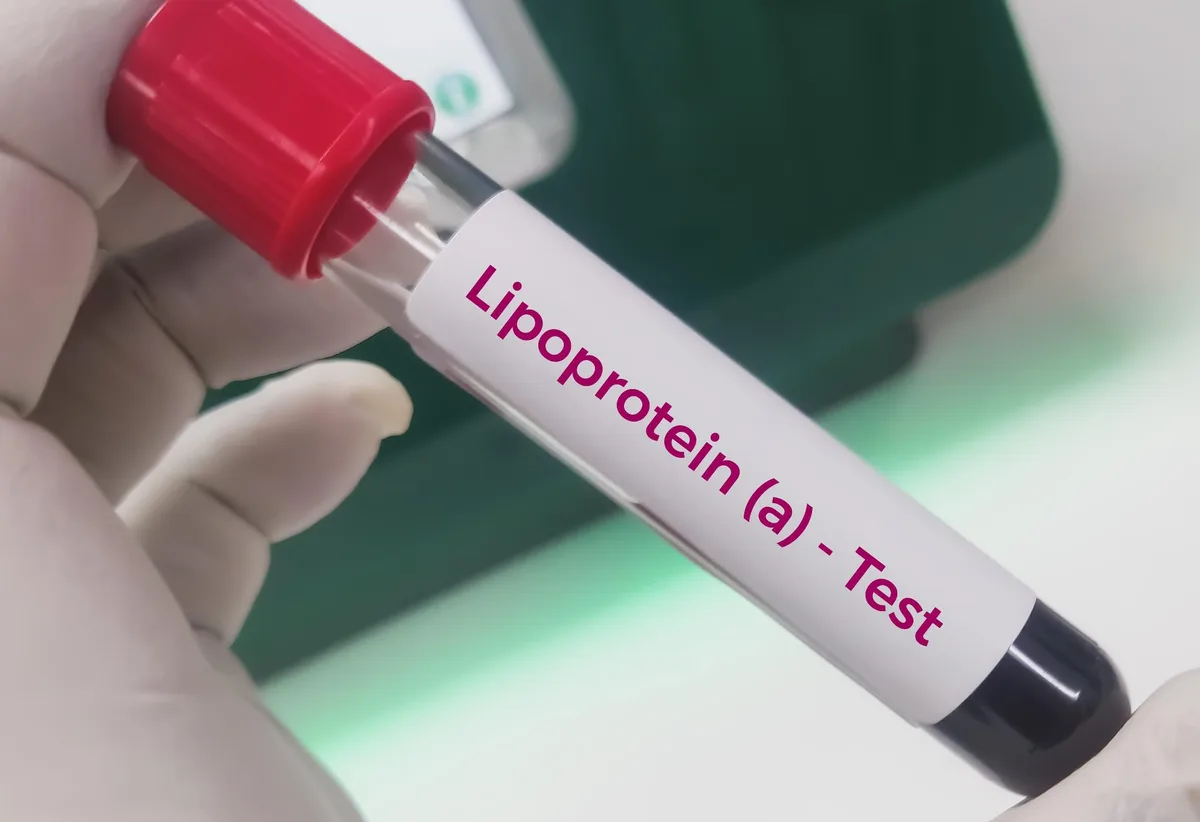
A major clinical setback for Novartis has rattled the high-stakes race to develop a new class of cholesterol-fighting drugs, casting uncertainty over an emerging multibillion-dollar market and intensifying scrutiny on rivals Amgen and Eli Lilly. The Swiss pharmaceutical giant's failure to demonstrate that lowering a specific type of cholesterol known as Lp(a) translates into meaningfully fewer heart attacks and strokes has sent shockwaves through the cardiovascular drug development community.
Lp(a), short for lipoprotein(a), has long been identified as a significant genetic risk factor for cardiovascular disease, and drugmakers have poured enormous resources into developing therapies capable of reducing its levels in the blood. The underlying scientific premise — that cutting Lp(a) concentrations would directly curb heart attacks and strokes — now faces harder questions following Novartis' stumble, which underscores how difficult it remains to convert promising biomarker data into proven clinical outcomes.
Read more DOT Secretary Challenges Ford's China Ties in Direct CEO Letter →
The failure shifts the spotlight squarely onto Amgen and Eli Lilly, both of which have their own Lp(a)-targeting drug candidates advancing through late-stage development. Their programs now carry even greater weight for investors, cardiologists, and patients who have been hoping for a breakthrough in treating a condition that statins and other established therapies largely cannot address. A successful readout from either company could validate the entire therapeutic approach; another failure could deal a severe blow to confidence in the field.
Analysts warn that the Novartis result is a cautionary reminder that lowering a biomarker does not automatically deliver clinical benefit — a lesson the pharmaceutical industry has learned painfully in other disease areas. For the millions of patients with elevated Lp(a) levels and no good treatment options, the outcome of Amgen's and Lilly's trials remains a critical open question. The cardiovascular drug landscape is watching closely.
Continue reading at US Top News and Analysis.