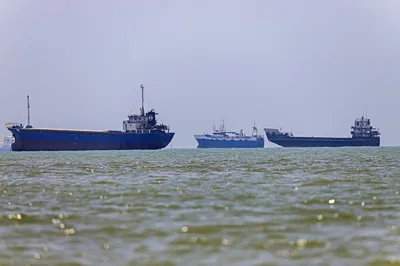
Oil Flow Through Strait of Hormuz Faces Slow Recovery, Banks Warn
Major banks caution that oil shipments through the Strait of Hormuz will need significant time to normalize following recent disruptions.
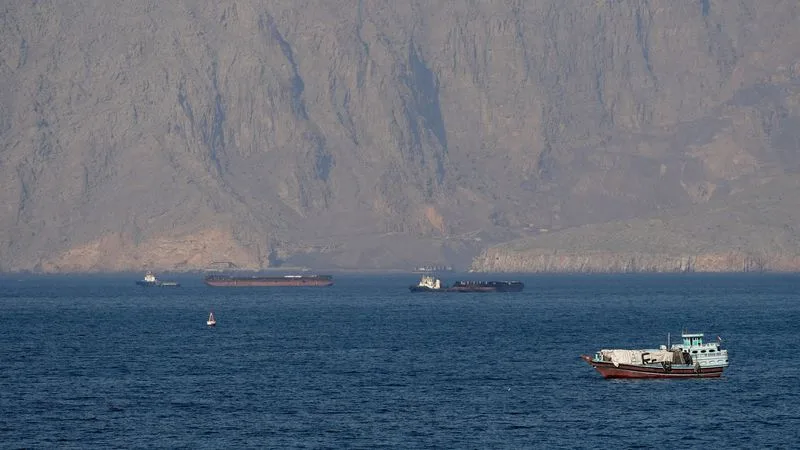
Major financial institutions are warning that crude oil flows through the Strait of Hormuz — the world's most critical petroleum chokepoint — will not rebound quickly following recent disruptions, according to reporting by Yahoo Finance. Banks tracking global energy markets say the recovery timeline remains uncertain, with supply chain complications adding pressure to an already tense global oil outlook.
The Strait of Hormuz handles a substantial share of the world's seaborne oil trade, making any interruption to shipping through the narrow Persian Gulf passage a significant concern for energy markets worldwide. Analysts at leading banks have signaled that even once physical conditions allow for resumed transit, the logistical and geopolitical factors at play mean a full return to normal volumes will take time to materialize.
Read more Trump's Iran Deal Sends a Strong Buy Signal for Stocks →
The warnings from the banking sector carry weight for traders and policymakers alike, as prolonged reduced flows through Hormuz could tighten global supply and exert upward pressure on crude prices. Energy market participants are closely watching the situation for signals about how quickly tanker traffic might resume at pre-disruption levels and what that means for oil benchmarks in the near term.
The development adds another layer of complexity to an already volatile global energy landscape, where supply concerns have repeatedly tested market stability. Investors and governments dependent on stable oil imports are likely to scrutinize any further guidance from financial institutions tracking the situation. Continue reading at Yahoo Finance.