Price Wars in China Tourism Undercut a Consumer Bright Spot
China's domestic tourism sector is faltering as hotel revenues decline and soft demand forces operators to slash room rates.
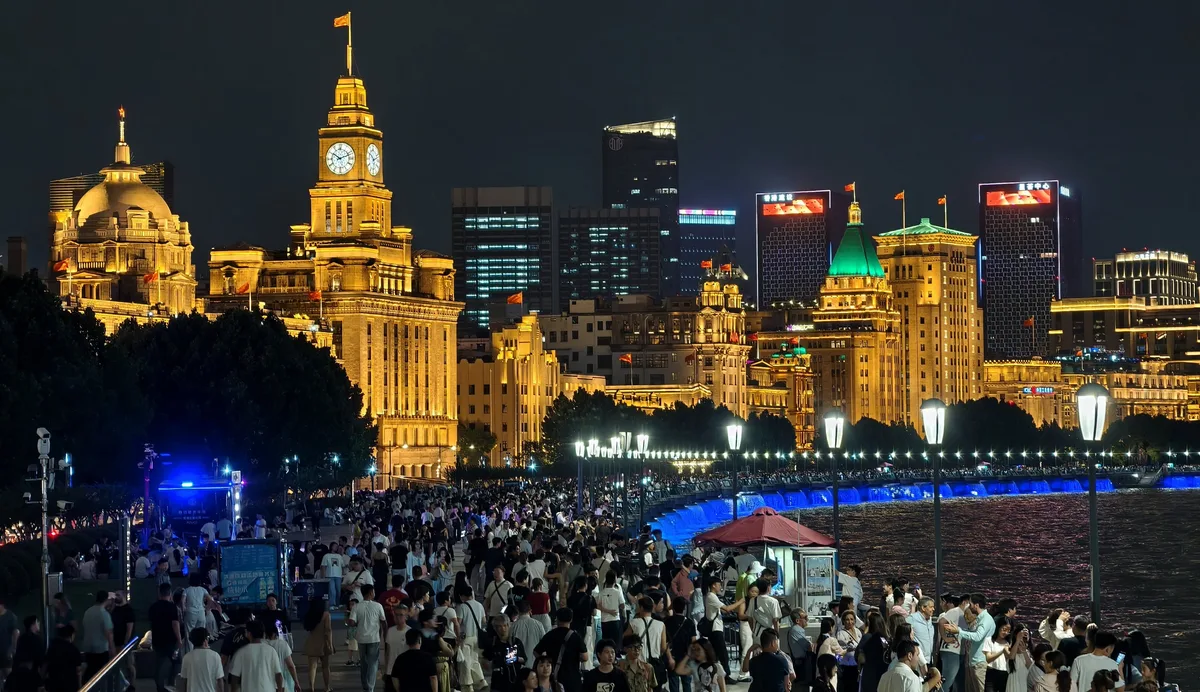
China's domestic tourism industry, once viewed as a resilient pillar of consumer spending amid broader economic headwinds, is showing signs of serious strain. Hotel revenues are falling as operators slash room rates to attract travelers in a market where demand has failed to keep pace with supply, threatening one of the few sectors that had offered optimism for Chinese consumer activity.
The price wars gripping the hospitality sector reflect a deeper problem: Chinese consumers, while willing to travel, are tightening their budgets and gravitating toward lower-cost options. That behavior is squeezing margins across the industry and eroding the financial gains that hotels and tourism businesses had hoped to sustain following the post-pandemic reopening surge.
Read more Big Tech AI Investment Gains Are Skewing Earnings Reports →
The deterioration in hotel revenues signals that the post-COVID travel rebound in China may be losing momentum faster than anticipated. Soft demand is now translating directly into rate compression, a dynamic that makes it harder for businesses to invest, hire, or expand — compounding the challenge for policymakers already wrestling with sluggish consumer confidence across multiple sectors of the economy.
For Beijing, the tourism sector's struggles represent an unwelcome development. Domestic consumption has been a key target for stimulus efforts, and travel spending was supposed to help offset weakness in real estate and export markets. A prolonged price war in hospitality could diminish tourism's role as an economic buffer precisely when China needs it most.
Continue reading at US Top News and Analysis.