Record Beef Imports Aren't Cooling Fourth of July BBQ Costs
U.S. beef imports are hitting record levels, yet consumer prices remain stubbornly high heading into the holiday weekend.
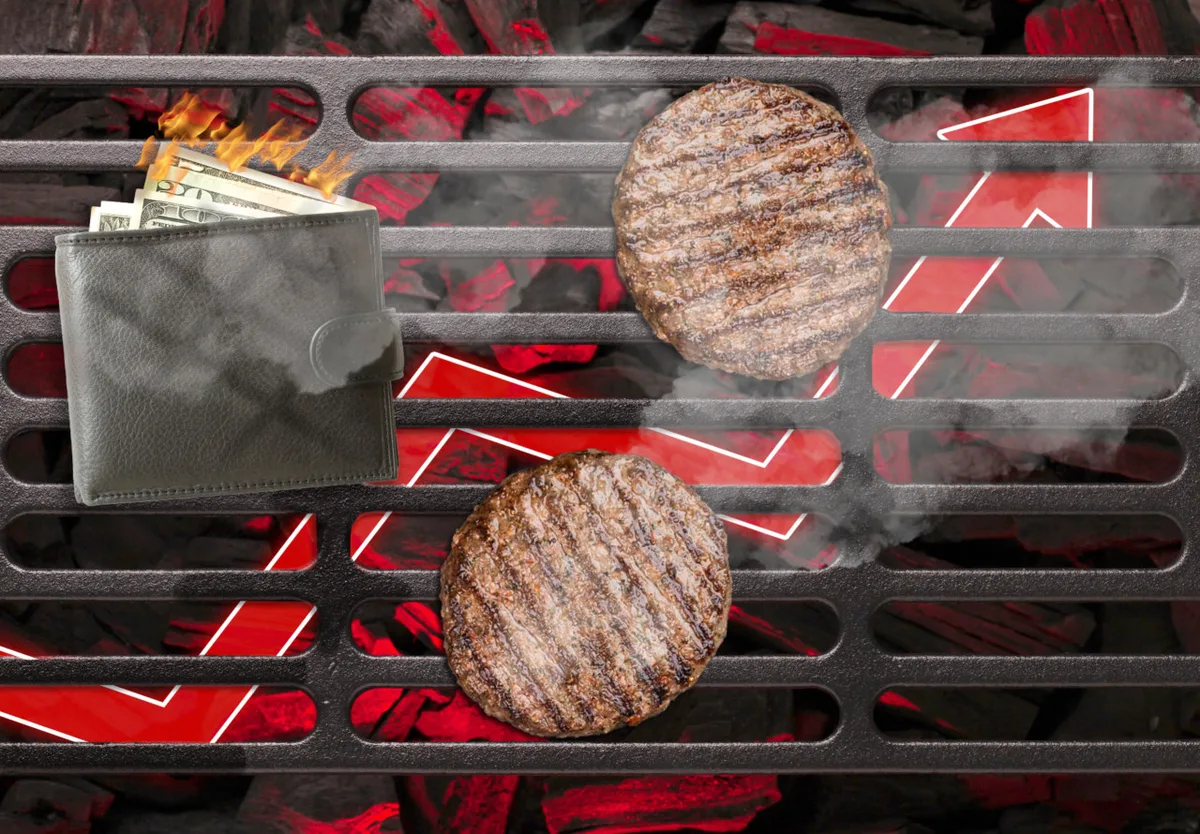
American shoppers stocking up for Fourth of July cookouts are discovering that record-level beef imports have done little to ease the sting at the checkout counter, as retail beef prices continue to climb despite Washington's push to flood the market with foreign meat.
The core paradox driving consumer frustration is straightforward: more supply should mean lower prices, yet that basic economic logic has failed to translate to the grocery aisle. Structural factors across the supply chain — from packing and processing costs to retailer margins — appear to be absorbing much of any relief that increased import volumes might otherwise deliver to consumers.
Read more Hassett Says Fed Has No Excuse to Hold Rates After Soft CPI →
Washington has leaned on expanded imports as its primary policy tool for combating elevated meat costs, a strategy that critics argue overlooks the domestic industry's pricing power and the complexity of how beef moves from overseas suppliers to American dinner tables. The gap between import volumes and consumer savings suggests that simply adding more product to the pipeline does not guarantee that relief reaches the people buying steaks and burgers.
For families planning holiday grilling this week, the practical takeaway is blunt: record imports or not, beef remains one of the most expensive staples in the American grocery basket, and there is little indication that prices will retreat significantly in the near term. The mismatch between trade-level supply signals and retail-level price reality underscores how difficult it is for trade policy alone to solve a consumer affordability problem rooted in multiple layers of the food economy.
Continue reading at MarketWatch.com