Social Security Reform Plans May Decide Key Senate Races
A new survey finds voter support for Social Security reform could shift outcomes in pivotal battleground Senate contests this November.
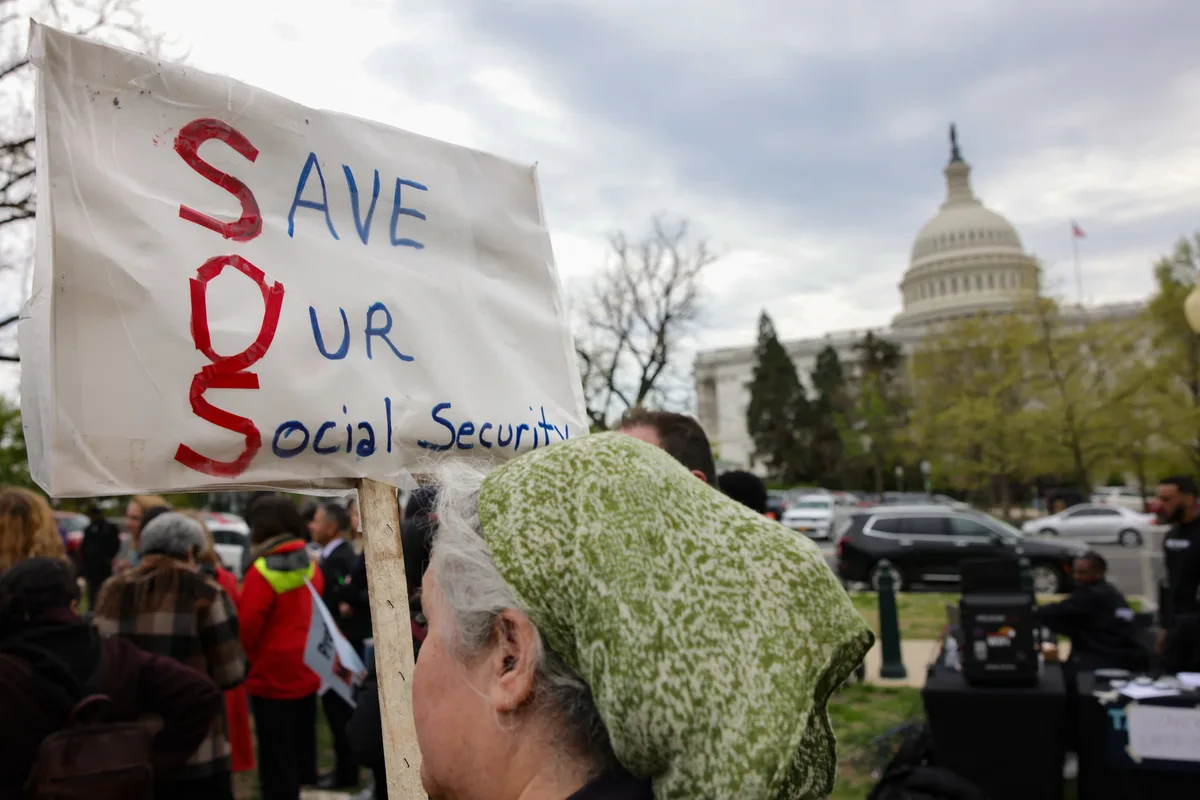
Social Security reform has emerged as a decisive campaign issue in competitive Senate races heading into November's elections, according to a new survey that signals the retirement program's financial future could sway critical battleground contests. Candidates' positions on shoring up the program may prove as influential as any other policy debate on the trail this cycle.
The stakes are unusually high because senators elected this November will still be serving when Social Security's retirement trust fund is projected to be depleted — making the incoming class directly responsible for any legislative fix that Congress ultimately pursues. That timeline transforms an abstract fiscal concern into an immediate governing reality for whoever wins.
Read more Rep. Beatty Calls Trump's Kennedy Center Closure Unlawful in Court →
Battleground Senate seats are already among the most closely watched in the country, and the survey suggests that voters in those states are paying close attention to how candidates plan to address the program's long-term solvency. Positions on benefit cuts, payroll tax adjustments, or structural overhauls could each carry significant electoral weight.
The findings underscore a broader political reality: Social Security has historically been dubbed the "third rail" of American politics, yet mounting pressure from the trust fund's projected insolvency is forcing candidates to engage with the issue more directly than their predecessors often did. How they navigate that tension in the final stretch of the campaign may well determine which party controls the Senate chamber.
Continue reading at US Top News and Analysis