States Compete for Jobs as Trump Boosts Defense Spending
Trump's massive defense budget request is igniting a fierce interstate competition for military contracts, manufacturing jobs, and weapons production.
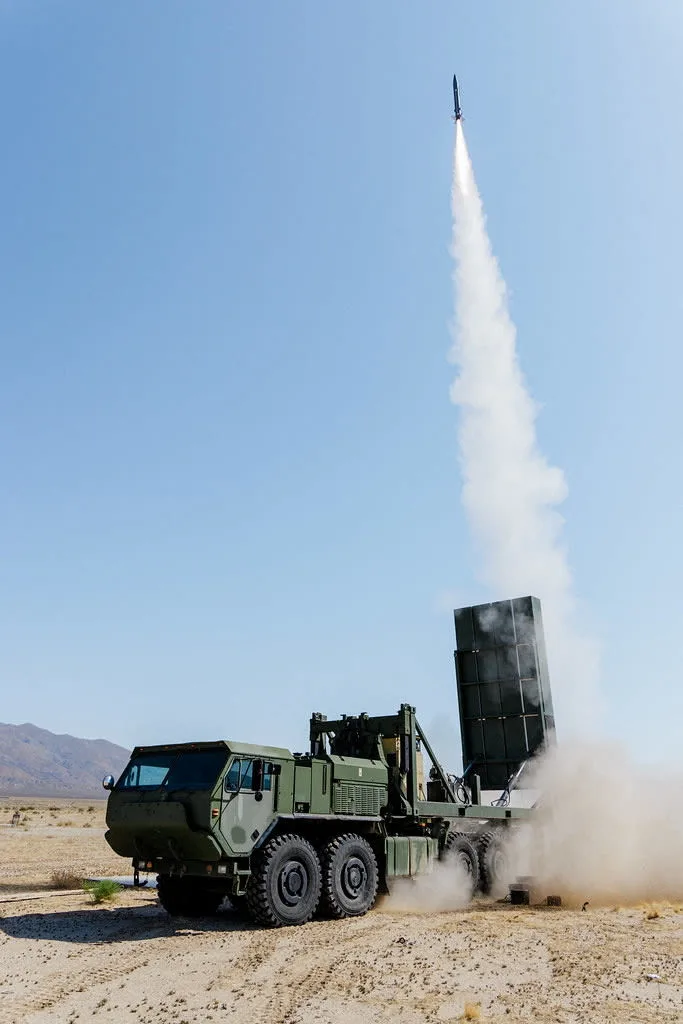
A scramble for defense dollars is underway across the United States as President Donald Trump's sweeping military budget request and an urgent push to restock depleted weapons arsenals have set off an aggressive competition among states hungry for contracts and jobs. The proposal, one of the largest defense spending packages in recent memory, signals a generational shift in domestic military manufacturing that governors and economic development officials are racing to capitalize on.
At the center of the contest is the Pentagon's drive to rebuild weapons stockpiles drawn down during years of foreign military aid, alongside ambitious programs to develop next-generation hypersonic missiles. These twin priorities are creating demand for defense manufacturing facilities, skilled labor, and specialized supply chains — resources that states with existing military infrastructure hold as competitive advantages, but that others are working quickly to develop.
Read more Hassett Says Fed Has No Excuse to Hold Rates After Soft CPI →
State officials are deploying a range of tools to attract defense contractors, including tax incentives, workforce training programs, and streamlined permitting. The stakes are high: landing a major weapons production contract can mean thousands of stable, well-paying jobs and decades of federal revenue flowing into a local economy. Communities near military installations or with established aerospace and manufacturing sectors are widely viewed as frontrunners, though smaller states are aggressively pitching their cost advantages and available land.
The broader dynamic reflects how federal defense policy ripples directly into domestic economic competition. When Washington decides to increase military outlays or prioritize specific weapons systems, it effectively triggers a lottery of sorts among states, each positioning itself as the ideal home for the resulting industrial activity. Analysts note that hypersonic missile development in particular requires rare engineering expertise and significant capital investment, narrowing the realistic field of contenders.
The outcome of this interstate battle will shape regional economies and military readiness for years to come, making the current budget cycle a pivotal moment for states with the most to gain — or lose. Continue reading at US Top News and Analysis.