Trump Pushes DOJ on Gas Prices: When Relief May Arrive
President Trump is pressing the DOJ to investigate slow pump-price declines. Four key factors explain the lag.
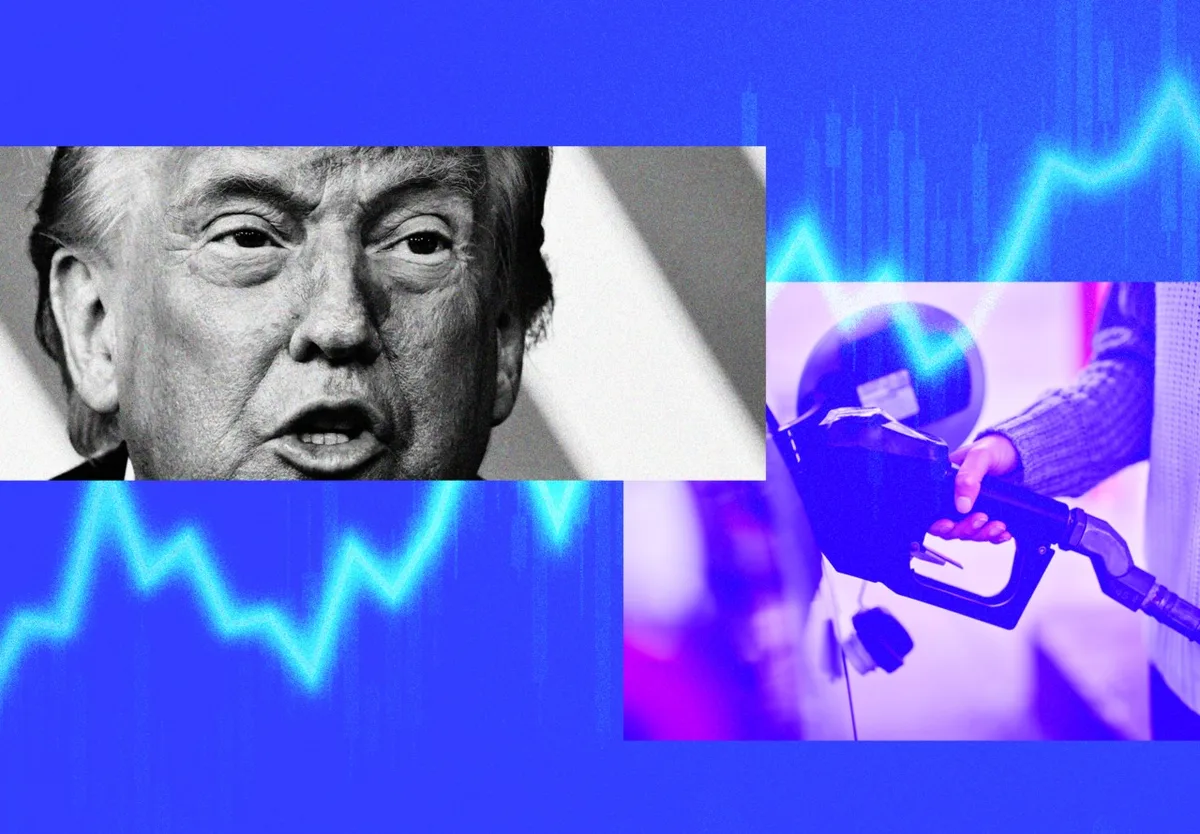
President Trump has called on the Department of Justice to investigate why gasoline prices are not dropping more quickly at the pump, escalating political pressure on an industry that typically moves retail fuel costs at its own pace. The move signals the administration's frustration with a gap between falling crude oil benchmarks and the prices American drivers actually see when they fill up.
The disconnect between crude markets and pump prices is not new, but it is persistently misunderstood. Refiners, distributors, and retailers each add their own margins and operational costs to the final price, meaning a drop in West Texas Intermediate crude does not translate instantly — or always proportionally — to cheaper regular unleaded at the corner station.
Read more Hassett Says Fed Has No Excuse to Hold Rates After Soft CPI →
Seasonal demand is another complicating factor. Spring and summer traditionally push gasoline consumption higher as Americans drive more, giving retailers less incentive to aggressively cut prices even when their input costs soften. Refinery maintenance cycles in spring can also temporarily tighten supply, adding upward pressure that counteracts any crude-price relief.
Regional variation compounds the picture further. State taxes, local environmental fuel blend requirements, and the proximity of refineries all create wide price differences across the country, meaning drivers in some markets may see faster relief than others even under identical crude conditions. Analysts note that competitive dynamics among local stations ultimately determine how quickly savings flow to consumers.
Whether a DOJ inquiry would accelerate that process remains unclear, as the agency would need to identify specific anti-competitive behavior rather than simply a lagging market response. Drivers seeking relief may find that patience — and the eventual arrival of lower-demand shoulder seasons — does more than regulatory pressure in the near term. Continue reading at MarketWatch.com