U.S. Airline Fuel Costs Spike Amid Iran War Tensions
Jet fuel prices are surging for U.S. carriers as conflict involving Iran rattles global energy markets and squeezes airline margins.
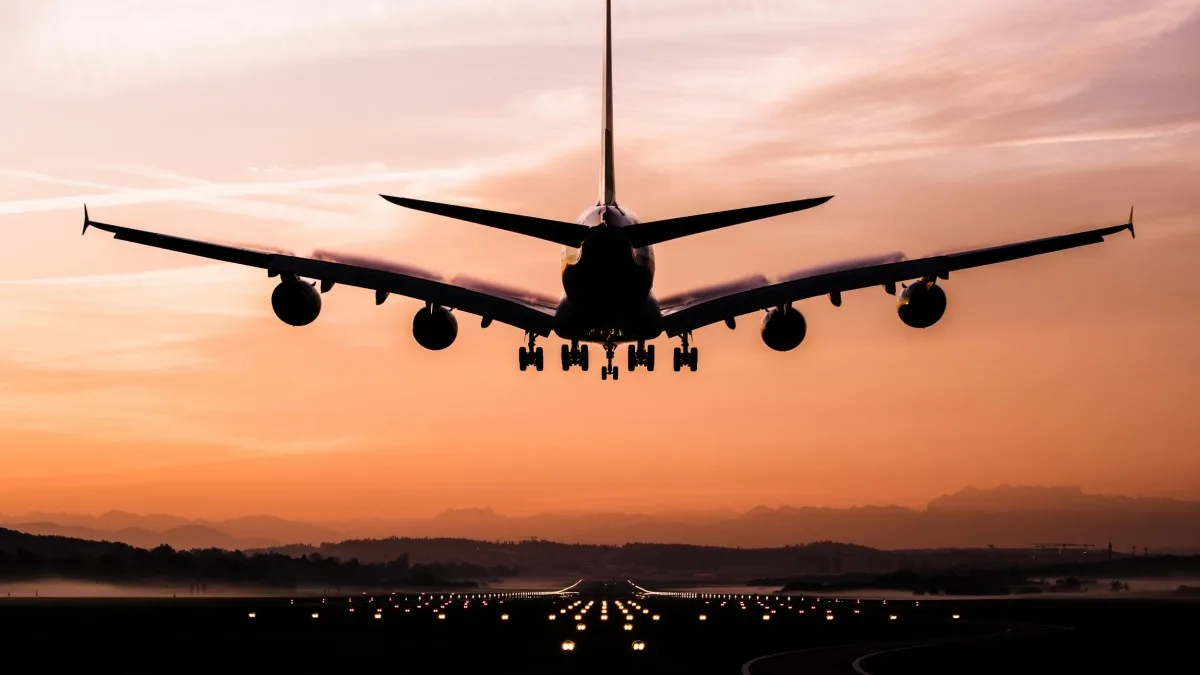
U.S. airlines are facing a sharp jump in jet fuel costs as escalating conflict tied to Iran sends energy markets into turmoil, threatening to erode profit margins across an industry still working to stabilize following years of pandemic-era disruption. The sudden price surge is forcing carriers to reassess near-term financial outlooks at a moment when travel demand had been showing signs of resilience.
Jet fuel typically accounts for one of the largest single line items in any airline's operating budget, meaning even modest per-gallon increases can translate into hundreds of millions of dollars in additional annual costs for major carriers. A sustained price spike driven by geopolitical instability is particularly difficult to hedge against, since it introduces a level of unpredictability that standard fuel contracts are not designed to absorb.
Read more Microsoft vs. Meta: Which Negative 2026 Stock Is Worth Buying Now →
The situation echoes previous episodes in which Middle East tensions triggered rapid energy price moves that rippled through the aviation sector. Airlines caught without sufficient fuel hedging in place are historically the most exposed during these periods, while carriers with longer-dated hedging programs can temporarily buffer the shock before those contracts roll over.
Analysts are watching closely to see whether the conflict will be contained or broaden in ways that further disrupt global crude supply chains. Any prolonged restriction on oil flows through critical regional chokepoints would compound the pressure on fuel prices well beyond the initial spike, potentially forcing airlines to raise ticket prices or reduce capacity to protect margins.
Continue reading at Yahoo Finance.