US Job Growth Slows Sharply, Only 57,000 Payrolls Added in June
US hiring cooled dramatically in June as payroll gains fell to 57,000, signaling potential labor market softening.
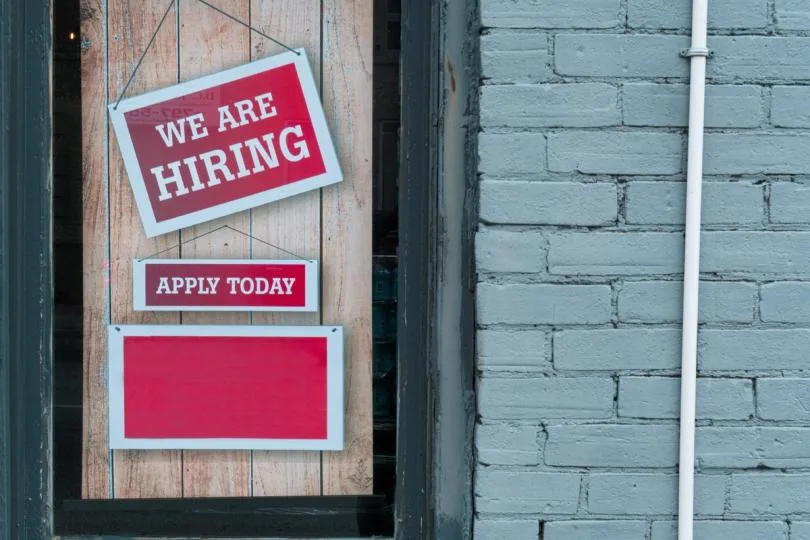
The United States labor market hit a significant speed bump in June, with employers adding just 57,000 jobs — a sharp deceleration that is drawing attention from economists, investors, and policymakers alike. The figure represents a notable pullback from the stronger hiring pace seen in prior months and raises fresh questions about the durability of the post-pandemic economic expansion.
A slowdown of this magnitude tends to ripple across financial markets quickly, as payroll data is one of the Federal Reserve's most closely watched indicators when calibrating interest rate decisions. A weaker jobs report can bolster the case for rate cuts by suggesting that restrictive monetary policy is beginning to cool demand for labor, though Fed officials have emphasized they want sustained evidence before pivoting.
Read more Hassett Says Fed Has No Excuse to Hold Rates After Soft CPI →
For everyday workers, a softer hiring environment can mean fewer opportunities to switch jobs for higher pay, reduced leverage in wage negotiations, and a potential uptick in the time it takes unemployed individuals to find new positions. These dynamics, if sustained, could gradually dampen consumer spending — the engine that drives roughly two-thirds of US economic output.
Market participants, including crypto traders, often treat jobs data as a macro signal that influences risk appetite broadly. A notably weak print can push investors toward assets they perceive as benefiting from a looser Fed stance, while simultaneously raising recession concerns that may suppress risk-on sentiment in volatile asset classes.
The June payroll report adds to an evolving picture of an economy navigating the tension between stubborn inflation and slowing growth. Whether this represents a one-month blip or the start of a more sustained softening trend will likely dominate economic debate heading into the second half of the year. Continue reading at CoinDesk.