Wisconsin and Michigan Primaries Reveal Polling and Prediction Market Failures
Back-to-back primary upsets in Wisconsin and Michigan expose growing inaccuracies in polls and political prediction markets.
Polls and political prediction markets suffered back-to-back credibility blows this week after primary results in Wisconsin and Michigan diverged sharply from pre-election forecasts, raising fresh doubts about the reliability of modern electoral prognostication tools. The misses represent the second major forecasting failure in just over a week, putting pollsters and market operators on the defensive heading into a packed election calendar.
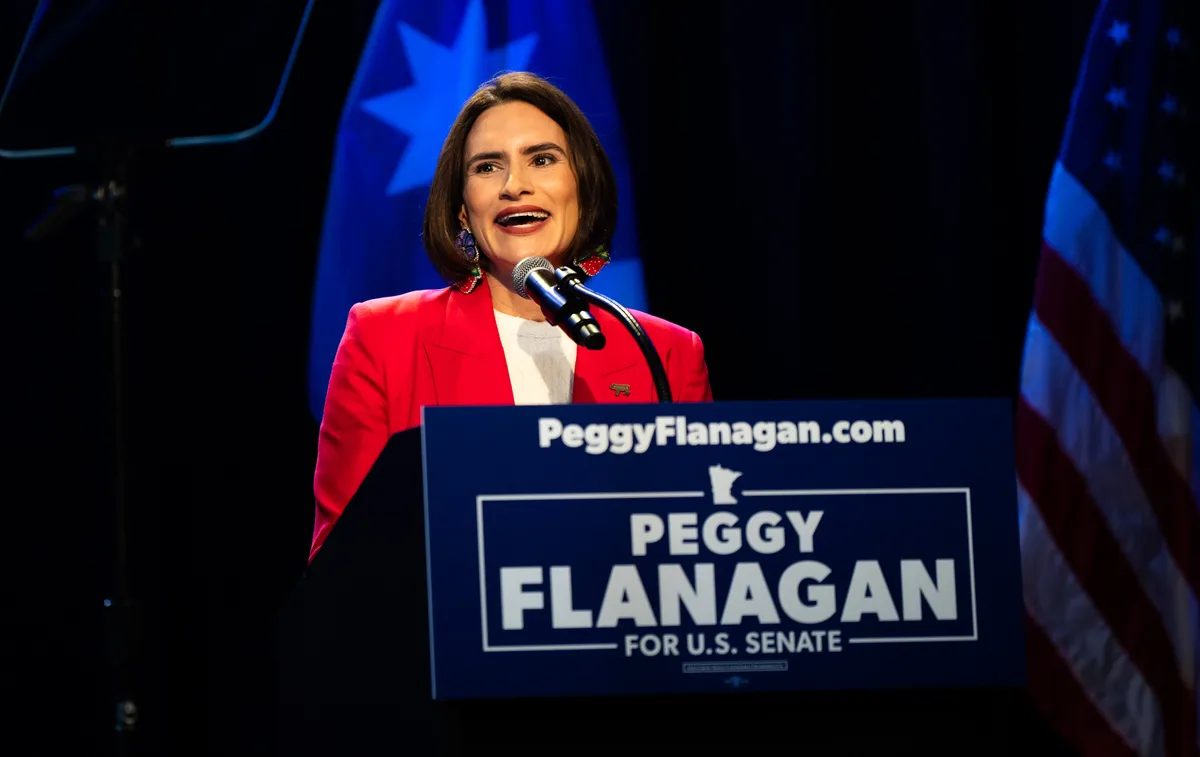
The most recent stumble followed a missed call in the Democratic U.S. Senate primary in Michigan, where both survey data and prediction market odds pointed toward a different outcome than voters ultimately delivered. The Wisconsin contest extended that troubling pattern, suggesting the errors are not isolated incidents but may reflect deeper structural problems in how these forecasting methods capture rapidly shifting voter sentiment.
Read more Trump Accounts and 529 Changes: Will They Cut College Costs? →
Prediction markets, which allow participants to bet real or virtual money on electoral outcomes, have increasingly been promoted as a more accurate alternative to traditional polling. However, consecutive misreads in competitive primary races challenge that narrative and suggest that even crowd-sourced financial signals can fall victim to the same blind spots — sparse turnout data, demographic miscalculations, or late-breaking momentum swings — that have long plagued conventional polls.
The double miss arrives at a particularly sensitive moment for the forecasting industry, which has faced sustained scrutiny since high-profile polling failures in the 2016 and 2020 general elections. Primary contests, which typically feature lower turnout and more volatile electorates than general elections, are notoriously difficult to model, but the expectation is that multiple data sources would at least directionally agree. When polls and markets both misfire simultaneously, it amplifies calls for methodological reform.
Analysts warn that consumers of political forecasts — campaigns, media organizations, and engaged voters — should treat probabilistic predictions with heightened skepticism, especially in low-turnout primary environments where small shifts in voter composition can upend even well-resourced forecasting operations. Continue reading at US Top News and Analysis.